
Last updated November 23, 2026
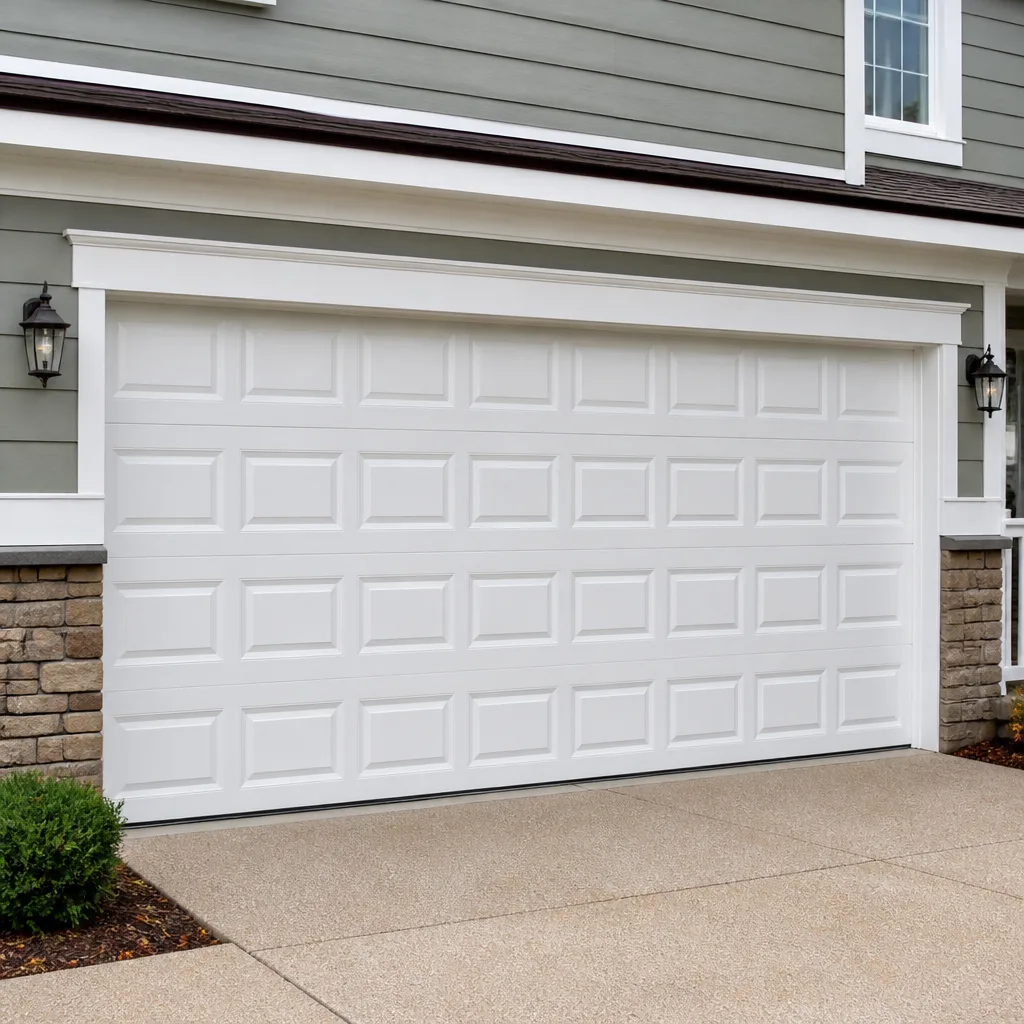 Raised-panel steel
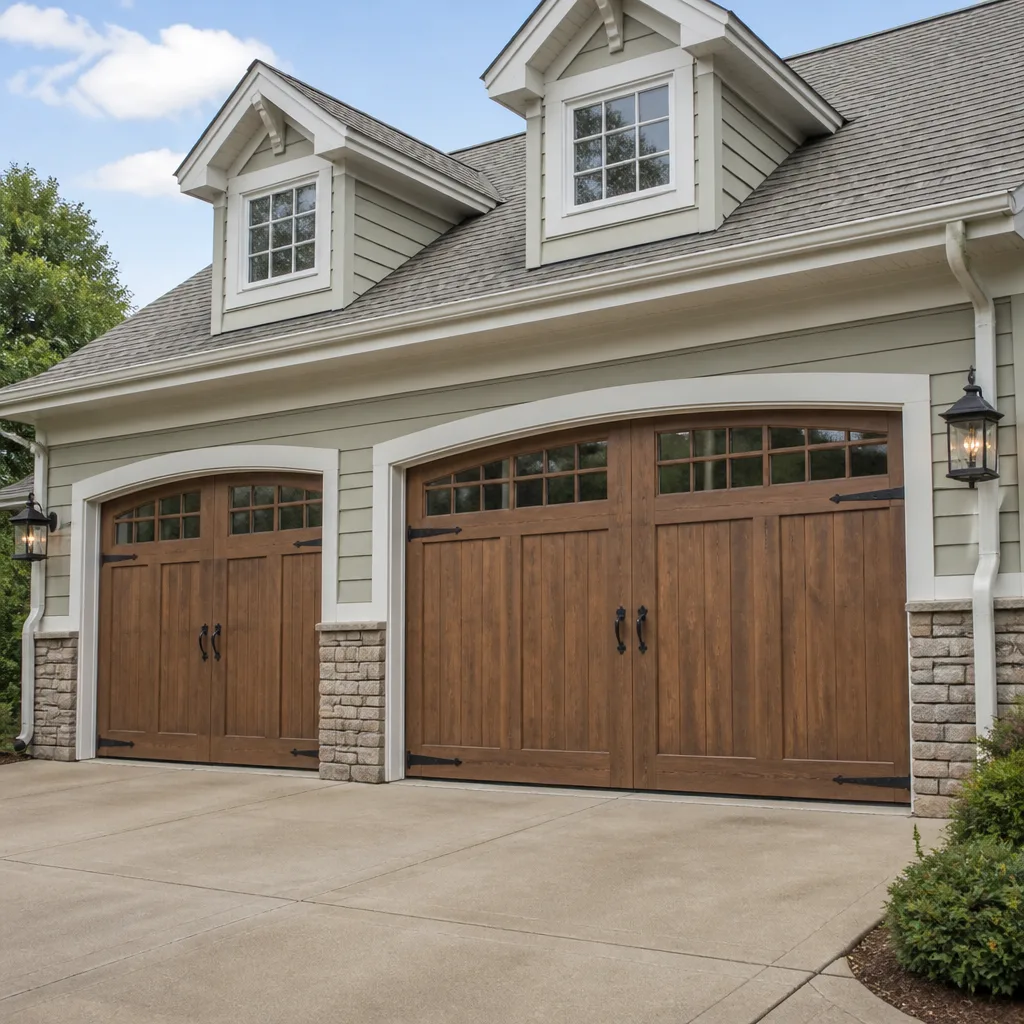 Carriage house
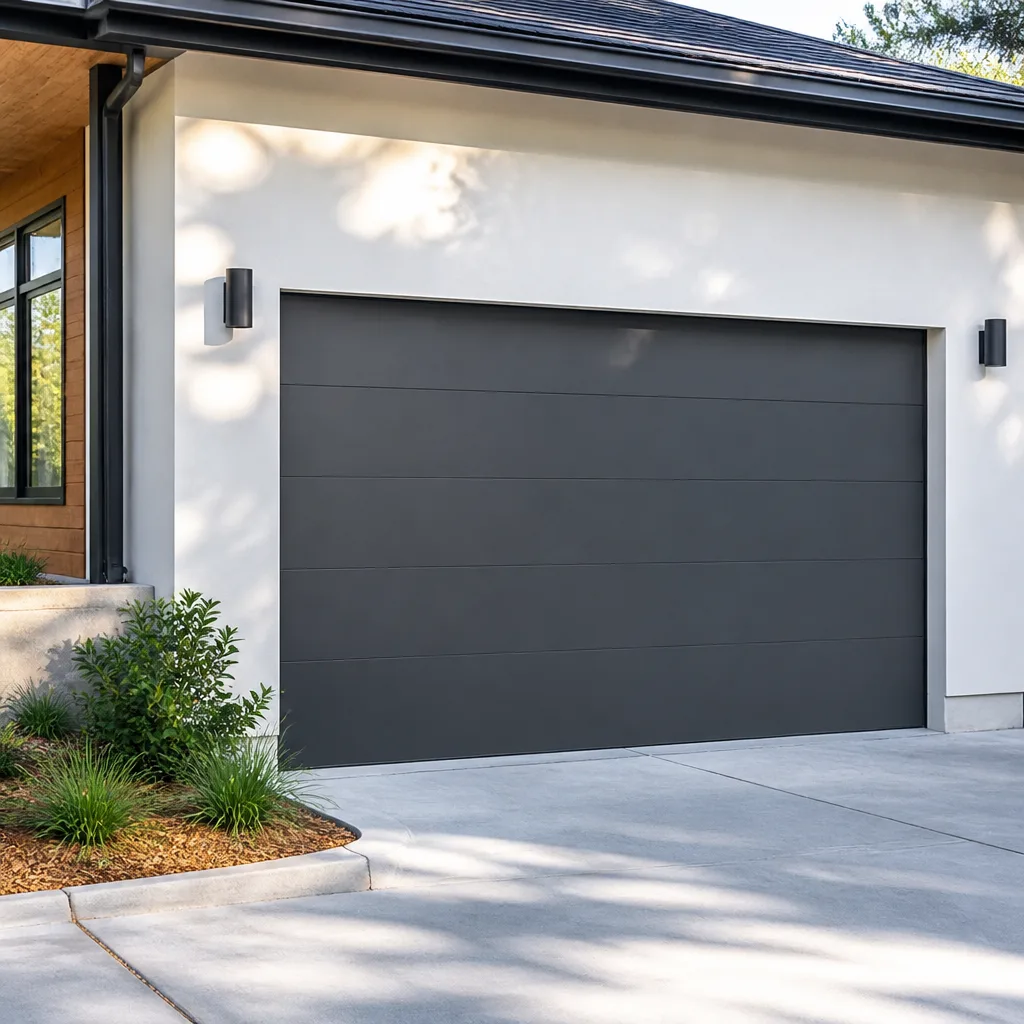 Modern flush
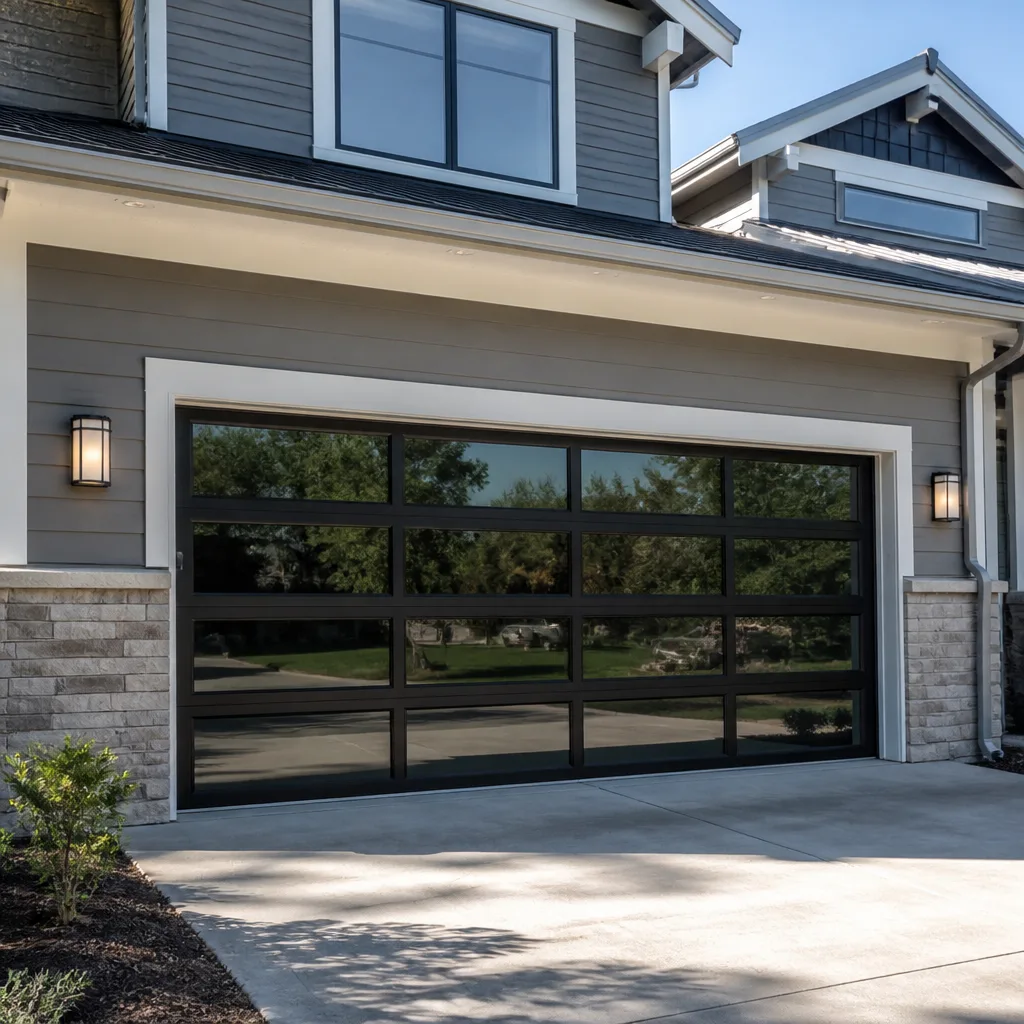 Full-view glass
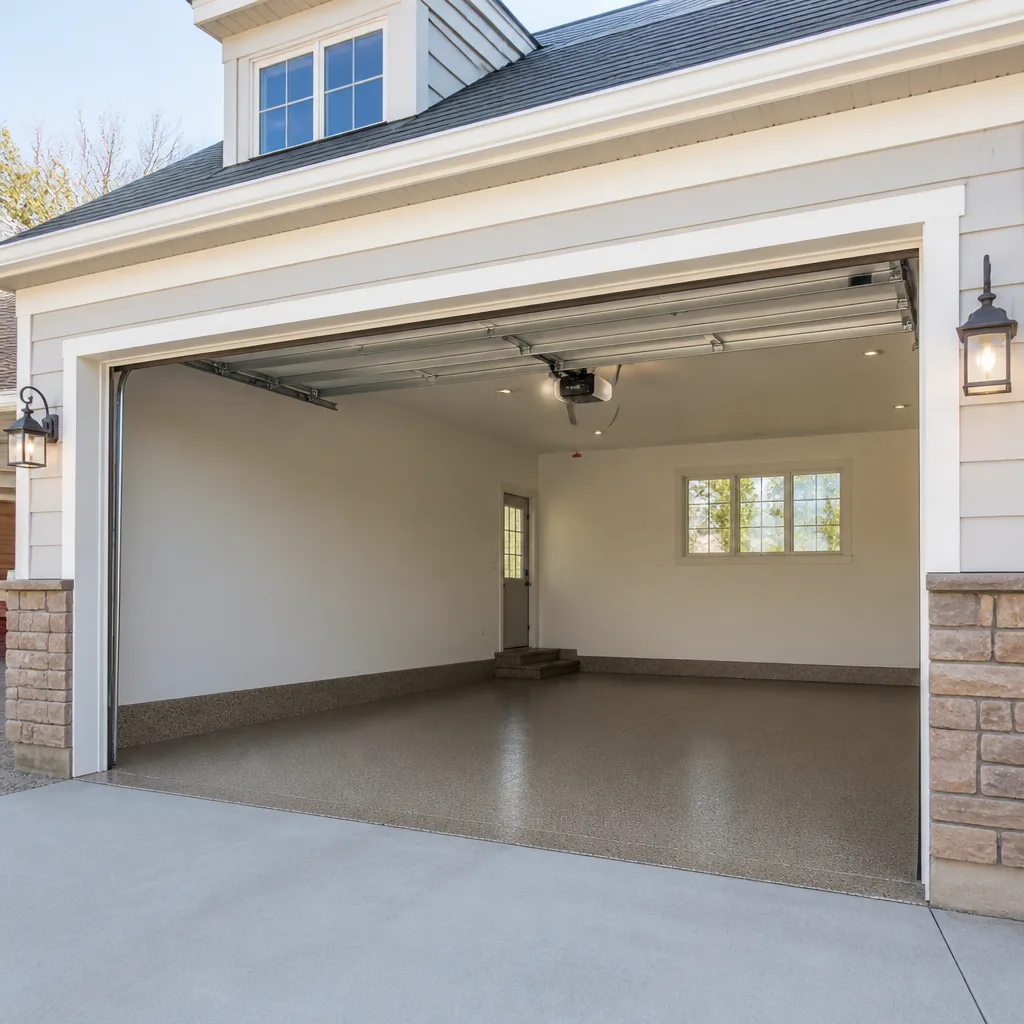 LiftMaster openers
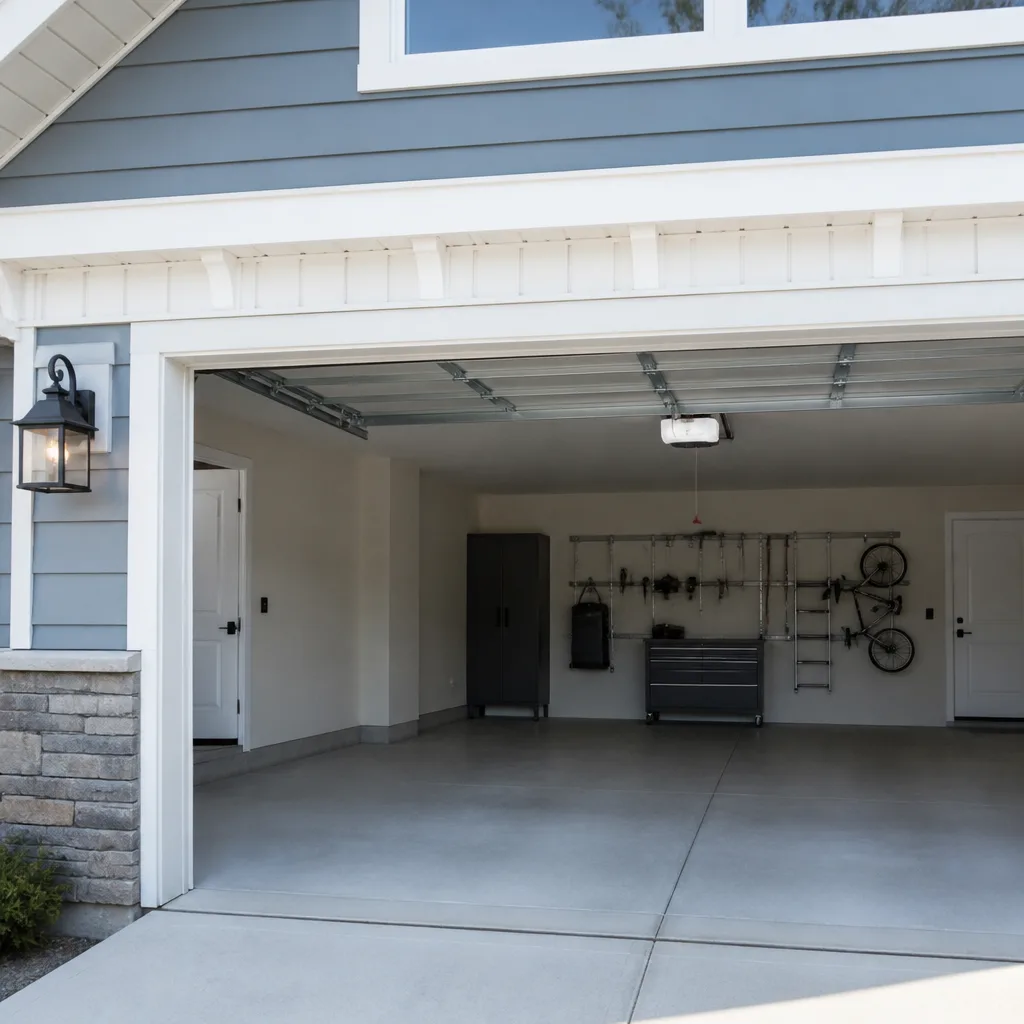 Chamberlain openers
Full 25-point door and opener safety check with every visit - springs, cables, rollers, tracks, and your LiftMaster or Chamberlain opener included
You get a price before we start. It does not change when the pro arrives.
Get your free estimateGarage Door Repair Troubleshooting in Queen Anne: Common Problems and How to Fix Them
A door that reverses before it closes is almost never a problem with the safety sensors. Nine times out of ten it’s a spring that has lost tension, and the opener is doing exactly what it was designed to do: sense resistance and back off to protect itself. Homeowners in Queen Anne replace photo-eyes, clean lenses, and adjust brackets for a problem that lives overhead in the torsion system. Chasing the wrong component costs money and leaves the real failure sitting in your garage. This guide maps the common symptoms to their actual root causes, points to different parts of the system, and shows you which checks you can safely do yourself and which ones belong to a trained technician.
Quick Answer
If your Queen Anne garage door is reversing, grinding, moving slowly, or only responding to the wall button, the quickest path to a fix is to identify which subsystem is failing before touching anything. Reversal usually means spring tension loss or a misaligned safety sensor. Grinding points to rollers, hinges, or the opener’s gears. Slow movement means the opener is compensating for mechanical drag or a failing capacitor. Wall-button-only operation is almost always a remote or radio receiver issue. In our experience, the single biggest cause of repeat calls in Queen Anne’s wet climate is corrosion on the torsion spring coils and swollen wood bottom seals that freeze to the concrete in winter.
Styles & brands we work with
- Raised-panel steel
- Carriage house
- Modern flush
- Full-view glass
- LiftMaster openers
- Chamberlain openers
Table of Contents
- Symptom-to-Cause Map: What Your Door Is Telling You
- The Spring Problem That Looks Like a Sensor Problem
- How Queen Anne’s Wet Climate Accelerates Specific Failures
- Opener Faults vs. Mechanical Faults That Look Identical
- Brand-Specific Troubleshooting: LiftMaster, Chamberlain, Genie, and More
- Safe Homeowner Checks vs. Jobs That Carry Real Injury Risk
- Same-Day Repair: What Happens When You Call
- Prevention in Queen Anne: What Actually Extends Door Life
Symptom-to-Cause Map: What Your Door Is Telling You
Garage doors fail in a predictable set of ways, and each symptom points to a small number of likely culprits. If you can name the symptom accurately, you’ve eliminated most of the guesswork before anyone touches a tool. Here’s the map we use on every diagnostic call in Queen Anne.
- Door reverses immediately after contacting the floor or an obstruction. Most likely: safety sensor misalignment, a broken photo-eye wire, or spring tension that has dropped enough that the opener reads resistance. Sometimes all three overlap.
- Door reverses before it even reaches the floor, at random heights. Most likely: a failing limit switch setting, a stretched spring, or a logic board fault in the opener.
- Loud grinding or scraping during travel. Most likely: worn nylon rollers, dry hinges, a bent track, or stripped gears inside the opener. Age of the door isn’t the deciding factor; noise location tells you which.
- Door moves slowly or hesitates. Most likely: a failing opener capacitor, mechanical drag from unlubricated rollers, or a spring that’s lost its lift. All three increase the load on the opener motor.
- Remote and keypad stopped working, but the wall button works fine. Most likely: a dead remote battery, a radio frequency or logic board issue inside the opener head, or an antenna wire that’s been pinched.
- Door goes up partway then stops or reverses to fully open. Most likely: a travel limit set too tight, an obstruction in the track, or a logic board misreading the door’s position.
- Door is crooked, binds on one side, or won’t close fully on one edge. Most likely: a broken torsion spring on one side of a pair, a snapped cable, or a roller that’s popped out of its track.
If any of those symptoms match what you’re seeing, note the exact behavior and where you hear or see it. That detail turns a generic “my door is broken” call into a same-day repair with the right parts on hand. It’s the difference between a technician who arrives prepared and one who has to order and come back.
The Spring Problem That Looks Like a Sensor Problem
Torsion springs are the counterbalance for the whole door. They carry the weight so your opener only has to nudge it up and down. When those springs lose tension, the opener has to lift more of the door’s actual weight, and every modern opener is designed to sense that resistance and reverse. So the door looks like it’s hit the sensors. It hasn’t. It’s telling you the springs are weak, and the opener is doing what it should.
Here’s how to tell the difference without going near the spring:
- Disconnect the opener by pulling the red emergency release handle, then try lifting the door by hand. A balanced door should rise with one hand at about waist height and stay put when you let go. If it feels heavy, drops when released, or won’t stay open, the springs are the problem.
- Look at the torsion spring coils above the door (they run horizontally across the shaft). Rust streaks, sagging coils, or visible gaps mean corrosion or fatigue.
- If one spring of a pair is visibly broken while the other looks intact, expect to replace both. A matched pair carries the load together, and one good spring and one dead spring will fail faster than a fresh pair.
- Don’t try to rewind the spring yourself. Torsion springs are under hundreds of pounds of tension, and a sudden release can cause serious injury. This is work for a trained technician with the right winding bars and the training to use them.
Spring repair is one of the five core services we run, and it’s the one we field the most diagnostic calls for in Queen Anne. We work on Clopay, Amarr, Wayne Dalton, and Raynor door systems routinely, which means we know which spring configuration each manufacturer spec’d for the door rather than guessing. The right gauge, the right wind, the right cycle rating.
If you’ve confirmed by hand-lift test that the door is heavy or drops, don’t wait. See garage door spring repair in Queen Anne for the specific parts and lead time.
How Queen Anne’s Wet Climate Accelerates Specific Failures
Queen Anne’s climate creates two kinds of garage door trouble that dry-climate guides never mention. The first is corrosion on the torsion spring coils. Wet weather and the seasonal temperature swing pull moisture into the spring’s coils and shaft, and over a few winters the coils develop surface rust. Rust looks like a cosmetic problem on most metal. On a torsion spring under constant load, corrosion creates a stress riser, and a stress riser turns into a fatigue crack. A spring that should last six or seven years can fail in four in a damp garage.
The second is the bottom seal. Many Queen Anne garages have wood-frame doors or older wood-clad steel doors with a wood bottom rail. In wet weather, the wood bottom rail absorbs moisture and swells. In a hard cold snap, that swollen rail freezes to the concrete threshold, and the opener tries to lift a door glued to the floor. The opener strains, reverses, or the rail itself splinters. The fix is a rubber or vinyl bottom seal rated for wet climates and a clean, dry threshold. In our experience, the wood seal problem shows up most in older homes on the downhill streets where water pools at the garage apron.
A third Queen Anne-specific factor is track alignment on graded properties. Driveways that slope toward the garage door put extra load on the bottom seal and threshold, and doors that settle with the property can develop track misalignment that produces grinding and uneven travel. This is mechanical, not electrical, and it responds to a track realignment rather than to any adjustment on the opener.
Opener Faults vs. Mechanical Faults That Look Identical
The hardest part of garage door troubleshooting in Queen Anne isn’t finding a problem. It’s figuring out whether the problem is mechanical or electronic, because the symptoms overlap so much. A door that reverses could have a sensor fault, a logic board fault, or a spring fault. A door that grinds could have stripped opener gears or worn rollers. A door that hesitates could have a failing opener capacitor or a mechanical drag from dry rollers.
Here’s the rough split we work from:
- Listen to where the noise comes from. Grinding from the opener housing is an opener fault. Grinding from the track or the rollers is mechanical. Scraping at the top of the door is a spring or bearing plate fault.
- Disconnect the opener and hand-lift the door. If the door is smooth, balanced, and quiet by hand, the mechanical side is healthy and the opener is the culprit. If the door is heavy, binds, or sounds rough, the mechanical side is the problem and the opener is probably fine.
- Watch the door travel with the opener connected. If it moves smoothly but the opener cuts out, the fault is electronic. If it jerks or shudders at any point, the fault is mechanical.
- Check the opener’s own diagnostic signals. Every modern opener from LiftMaster, Chamberlain, Genie, Craftsman, or Raynor gives you a code, a blink pattern, or an app alert. Those signals short-circuit hours of hunting.
If you’re not sure, the safe move is to run the hand-lift test only. What that tells you is enough to route the call correctly: to a spring or parts specialist, or to an opener specialist. A specialist shouldn’t need three visits to figure this out, and a generalist shouldn’t be trying to.
Brand-Specific Troubleshooting: LiftMaster, Chamberlain, Genie, and More
Different brands tell you what’s wrong in different languages. Knowing which language you’re looking at saves a service call. We work on eight of the most widely installed brands in North America, and the diagnostic logic for each is different enough that a generalist who carries one brand’s parts will misread a symptom on another brand’s opener.
LiftMaster and Chamberlain: Error Codes and MyQ Alerts
LiftMaster and Chamberlain openers are part of the same manufacturing family, so their logic is similar. Both show specific error codes rather than just blinking an LED. A repeated five-blink code usually means a sensor or travel limit problem. A three-blink code usually means a logic board fault. MyQ app alerts on newer Chamberlain models add another layer: they’ll tell you the door was reversed at a specific time, which lets you correlate the event with an obstruction or a weather issue. If you’re seeing “door didn’t close” alerts on MyQ but the door works fine when you use the wall button, the remote or the sensor wiring is the place to start, not the spring.
Genie: LED Blink Patterns
Genie openers use LED blink patterns instead of a dedicated code display. A single blink on some models indicates a limit switch issue. A steady triple-blink pattern often means a sensor obstruction or misalignment. Genie’s newer smart openers give you app feedback, but the LED patterns are still the fastest diagnostic path. Understanding that pattern language saves you from replacing parts that were never the problem.
Craftsman and Raynor: Older Systems and Parts Availability
Craftsman openers are known for solid mechanics but aging electronics. Many of the Craftsman units we see on Queen Anne homes are due for a logic board or capacitor failure, and parts availability for older models matters. Raynor commercial-style residential openers and doors have their own mechanical eccentricities. Having parts on hand for these brands means a same-visit repair rather than a “we’ll need to order that” delay.
Wayne Dalton and Clopay doors don’t have their own openers, but their panel and spring configurations are specific, and knowing which door system you have changes the spring and roller selection. If you’re not sure which brand you’re dealing with, the door’s safety label or the opener’s serial plate tells you. Take a photo of both before you call, and the technician shows up with the right parts.
If the opener is the fault, see garage door opener repair for the specific brand coverage and diagnostic process.
Safe Homeowner Checks vs. Jobs That Carry Real Injury Risk
Some troubleshooting is safe. Some isn’t. The line is clear once you know where it is.
Safe homeowner checks
- Photo-eye alignment. Look at the two sensors on either side of the door opening at knee height. Each should have a steady LED. If one is off or blinking, wipe the lens and adjust the bracket until both LEDs are solid.
- Obstruction test. Place a piece of wood on the floor in the door’s path and lower the door. It should reverse immediately. If it doesn’t, the safety system needs attention.
- Travel limit adjustment on screw-drive openers. On older screw-drive openers with exposed limit screws, small adjustments to the up and down limit positions are safe if you follow the manual. On newer openers with electronic limits, this is done through the control panel.
- Force adjustment. Many openers have a force dial or button pair that adjusts how much resistance the opener tolerates before reversing. Small adjustments within the manufacturer’s range are safe. If you need to max it out, stop, because max force settings usually mask a mechanical problem.
- Remote battery replacement and re-pairing. Safe and quick. If the remote works fine after a battery change, you’ve solved it.
- Bottom seal inspection. Look for cracks, swelling, or gaps between the seal and the concrete. This is a visual inspection only. Replacing the seal is safe for a homeowner with basic tools.
Jobs for a trained technician only
- Torsion spring adjustments or replacement. Torsion springs are under hundreds of pounds of tension. A sudden release can cause serious injury. This is the single most dangerous garage door job.
- Cable replacement. Cables are under tension and can whip if they fail during handling.
- Track realignment. A door that’s come off a track can fall during realignment.
- Panel replacement. Moving a door panel safely requires knowing how the panel is weighted and how the spring system is configured.
- Opener electrical work. Touching the logic board or the power supply on a wired-in opener is a shock hazard.
If your symptom lands in the second list, don’t DIY it. A broken torsion spring is a service call, not a weekend project. Our technicians have up to 10 years of experience specifically on garage doors, and the operational safety piece is the part we take most seriously.
Same-Day Repair: What Happens When You Call
If your door is down and you can’t get a car out, the fastest path to a fix is a single accurate call. Here’s the normal sequence when you call us in Queen Anne:
- You describe the symptom and the brand. Tell us the door behavior, the opener brand, and any error code or blink pattern you saw. If you have the door’s safety label and the opener’s serial plate photographed, even better. That’s the diagnostic shortcut that changes what parts get loaded.
- We dispatch a technician. Fast dispatch from 7am to 7pm, Sunday through Friday. We’re closed Saturday. Same-day service is often available for repair calls.
- You get a written estimate before any work starts. The technician diagnoses the fault, explains what’s needed, and quotes a price. You agree to it before anything gets touched. The written estimate sets the final price.
- The repair happens with parts on hand. Most repairs are done on the first visit because we carry parts for the major brands we work on. If the job needs a specific part that’s not on hand, you’ll know at the quote stage, not after the invoice.
We answer 24/7. If you call outside dispatch hours, we’ll book you into the next opening, Sunday through Friday, 7am to 7pm. No surprise fees for the call, and no diagnostic or trip charge: the estimate is free.
If you’ve ruled out a repair and are looking at replacement, the path is different. Installation jobs are measured, ordered, and scheduled, so there’s no same-day promise. What you get instead is a free measure and a written price on the specific door. See garage door installation for the panel and opener combinations we work with.
Prevention in Queen Anne: What Actually Extends Door Life
You can’t prevent every failure. But you can steer clear of the ones that are caused by neglect rather than by age or use.
- Lubricate rollers and hinges twice a year. A garage door that runs dry of lubrication puts drag on the opener and accelerates wear. White lithium grease on metal parts, silicone spray on the spring coils. Don’t use WD-40 as a lubricant here; it’s a solvent, not a lubricant.
- Keep the bottom seal clean and dry. Sweep the threshold after wet weather. A swollen wood seal frozen to the concrete is a repair, not a cleaning issue. If your door has a wood bottom rail, consider replacing the seal with a vinyl or rubber one.
- Test the reverse feature once a month. Place a roll of paper towels on the floor in the door’s path and lower the door. It should reverse. If it doesn’t, the safety system needs attention before it becomes a real problem.
- Watch the spring coils for rust. A light spot of rust is fine. Orange streaks down the torsion shaft or a visibly sagging coil is not. In Queen Anne’s wet winters, this is the single most useful thing you can look for.
- Balance the door by hand twice a year. Disconnect the opener, lift the door to waist height, and let go. It should stay put. If it drifts down, the springs are losing tension and it’s time for a service call.
- Keep the tracks clean. A tight track from a bump or a warp from settling can produce grinding that turns into a bent track. A quick visual check is enough.
- Don’t max out the force adjustment. If your opener needs to be at maximum force to close the door, something mechanical is wrong and the max setting is masking it.
Prevention is cheaper than repair. Two lubrication visits a year and a monthly reverse test catch most of what we get called out for in Queen Anne.
Common Mistakes to Avoid
- Assuming reversal is always a sensor problem. Photo-eye misalignment causes maybe half of reversal calls. Spring tension loss causes the other half, and no amount of sensor adjusting fixes a weak spring.
- Increasing the opener’s force to “fix” a slow door. Cranking force to the max hides a mechanical drag. It doesn’t fix it, and it puts more load on the door and the opener motor.
- Replacing the opener when the springs are dead. A new opener won’t lift a door with weak springs any better than the old one did. Diagnose the springs before you spend money on electronics.
- Trying a torsion spring adjustment yourself. This is the number one cause of serious garage door injuries. Torsion springs carry hundreds of pounds of tension and a sudden release can cause serious injury.
- Ignoring a “minor” rust spot on the spring. In Queen Anne’s wet climate, a rust spot on a torsion spring is a stress riser, and a stress riser is a fatigue crack waiting to happen. Don’t wait for the spring to break.
- Calling a generalist for a brand-specific problem. A handyman who works on one brand of opener may not know the error code or the parts on a LiftMaster, Chamberlain, Genie, Craftsman, Raynor, Clopay, Amarr, or Wayne Dalton system. You’ll get a “we need to order that” instead of a same-day repair.
- Not writing down the brand and model before you call. A two-minute photo of the door’s safety label and the opener’s serial plate makes the call a same-day repair instead of a two-visit job.
See the difference
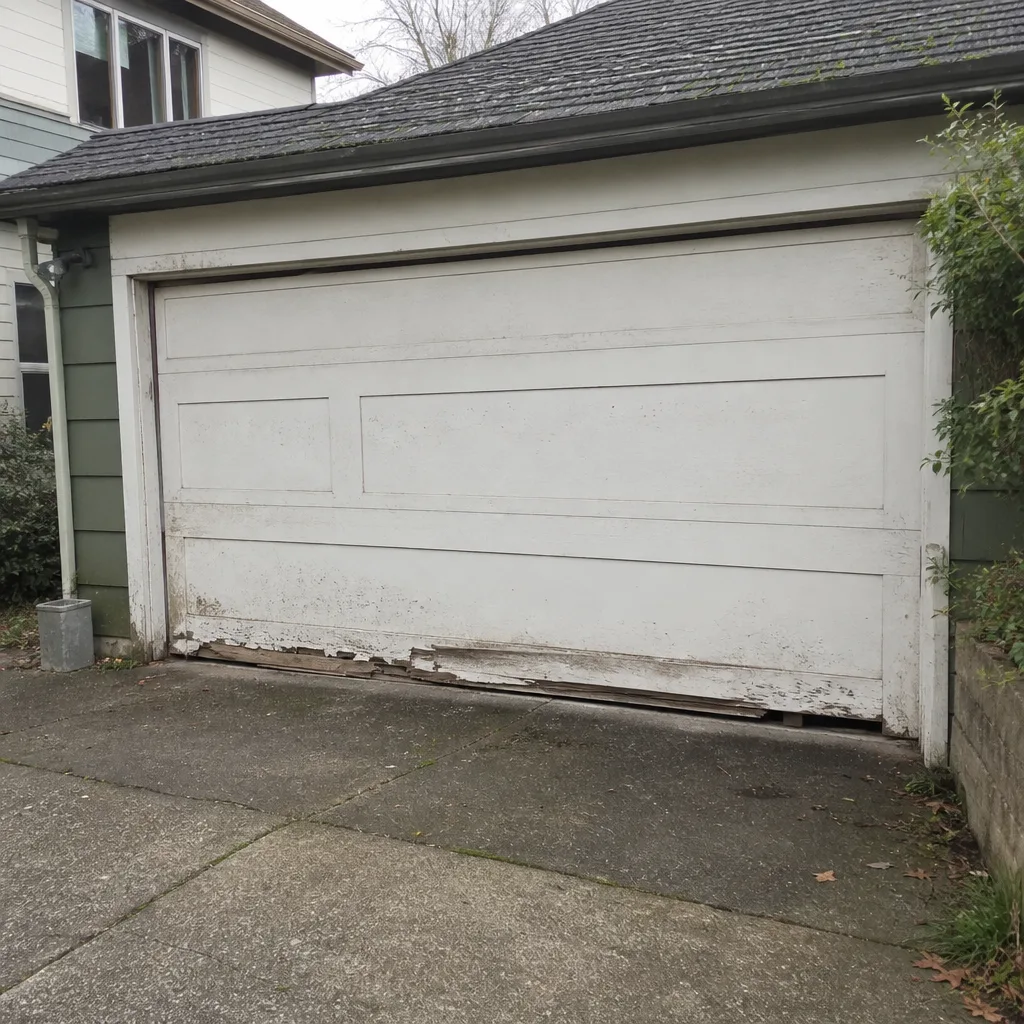 Before
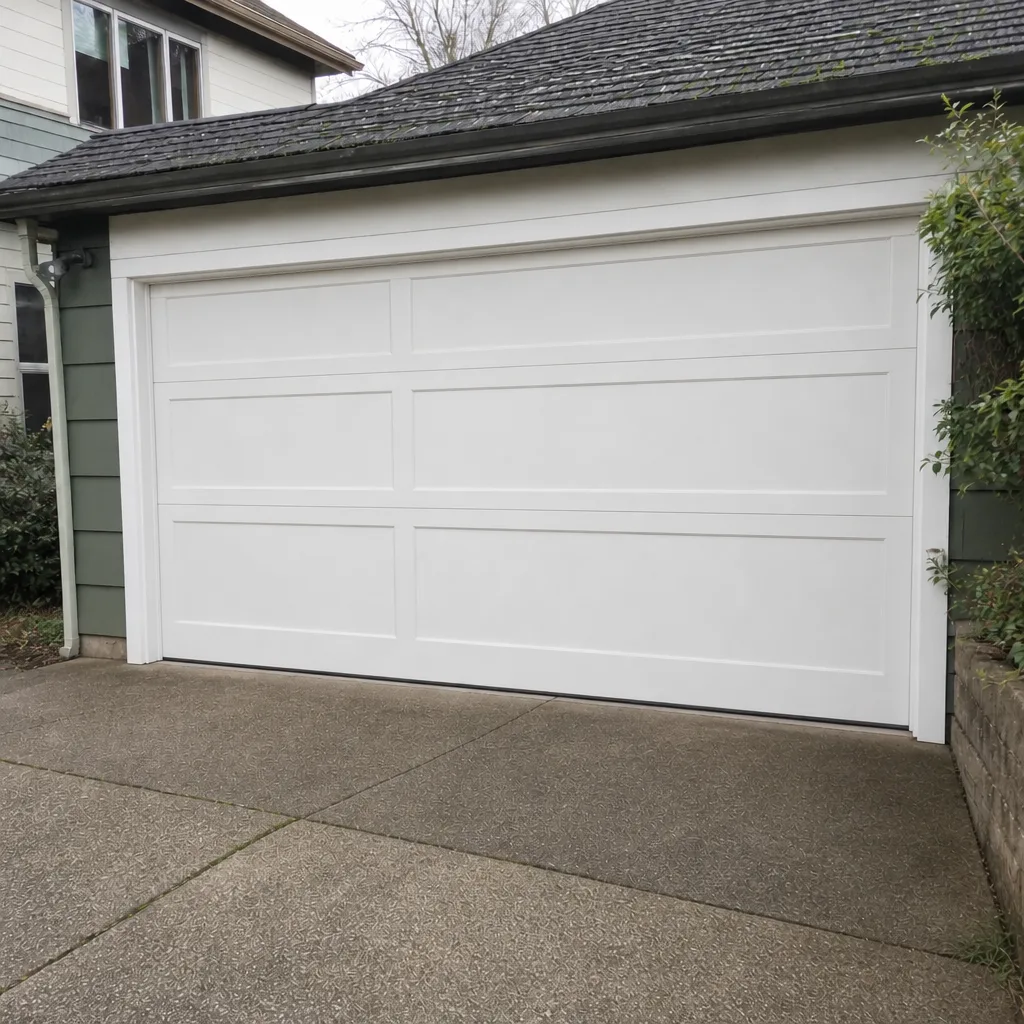 After
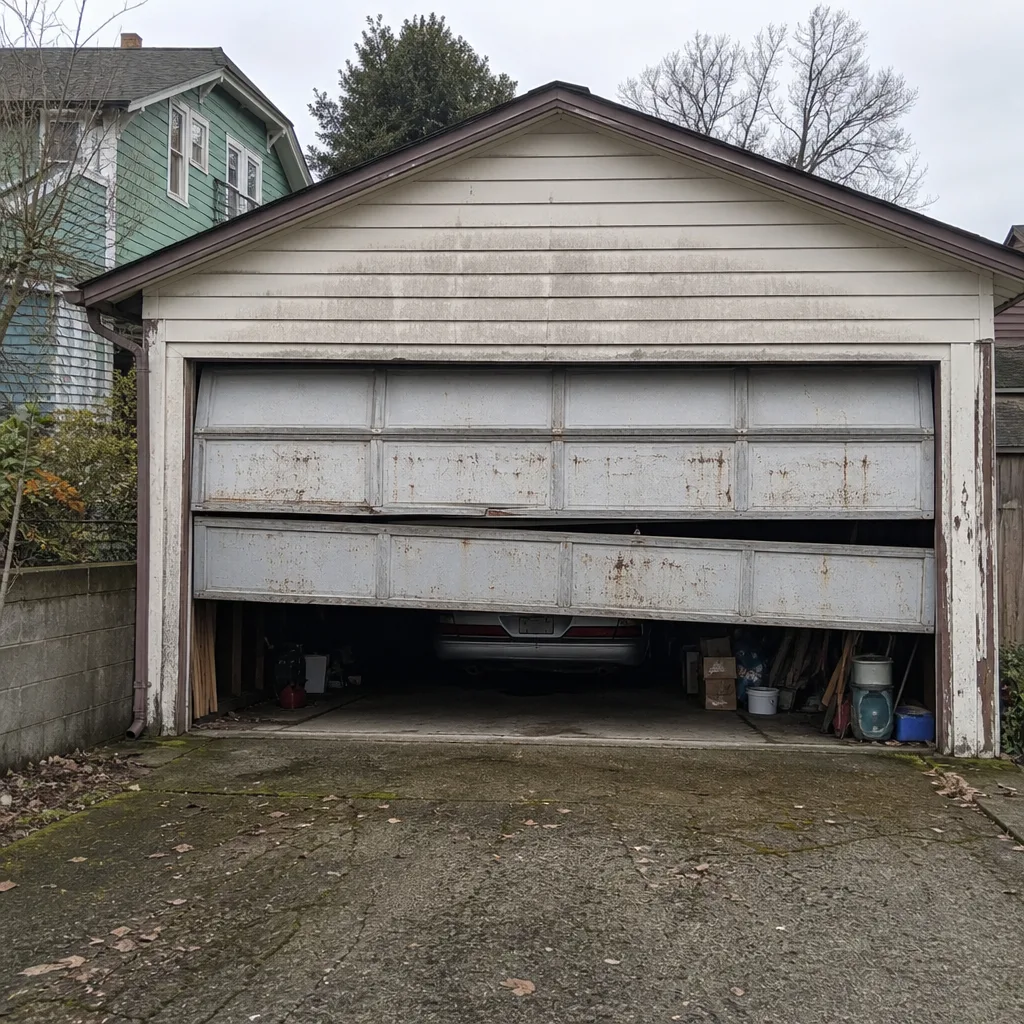 Before
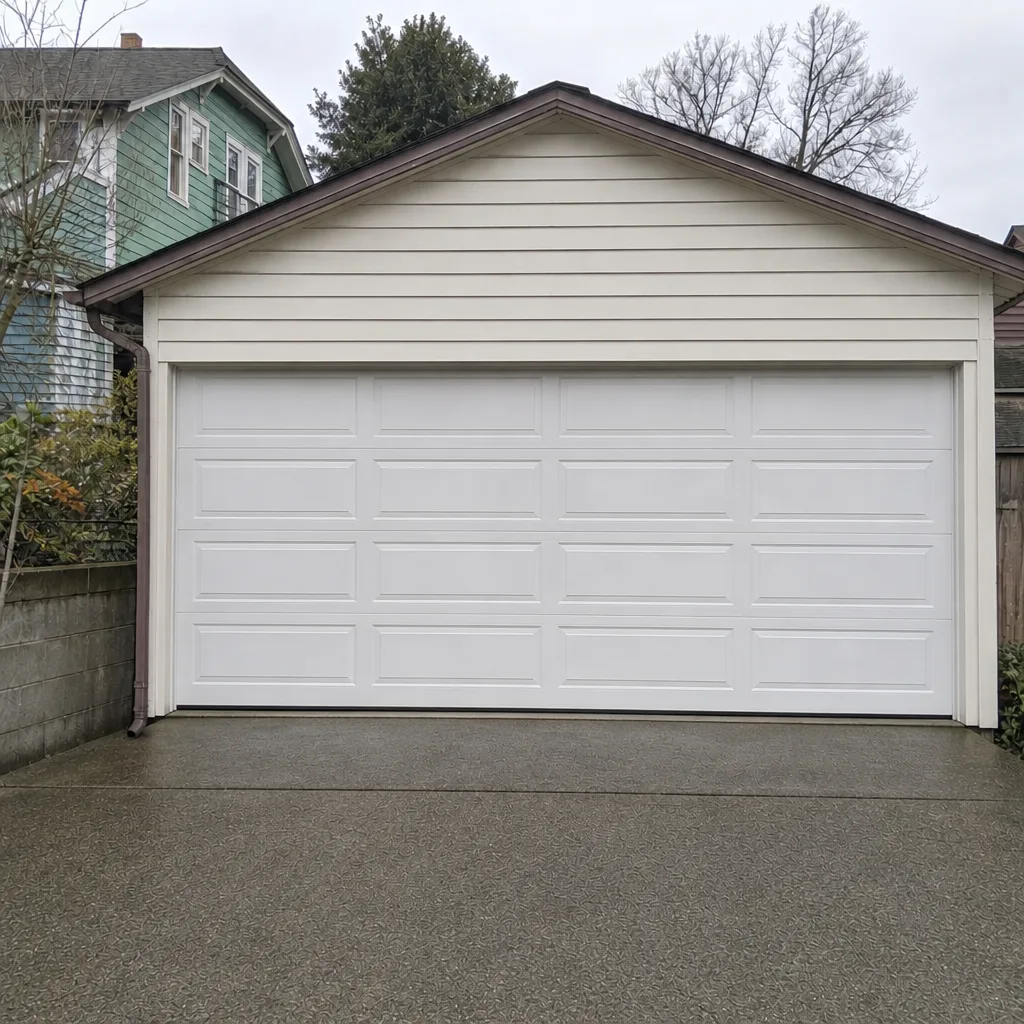 After
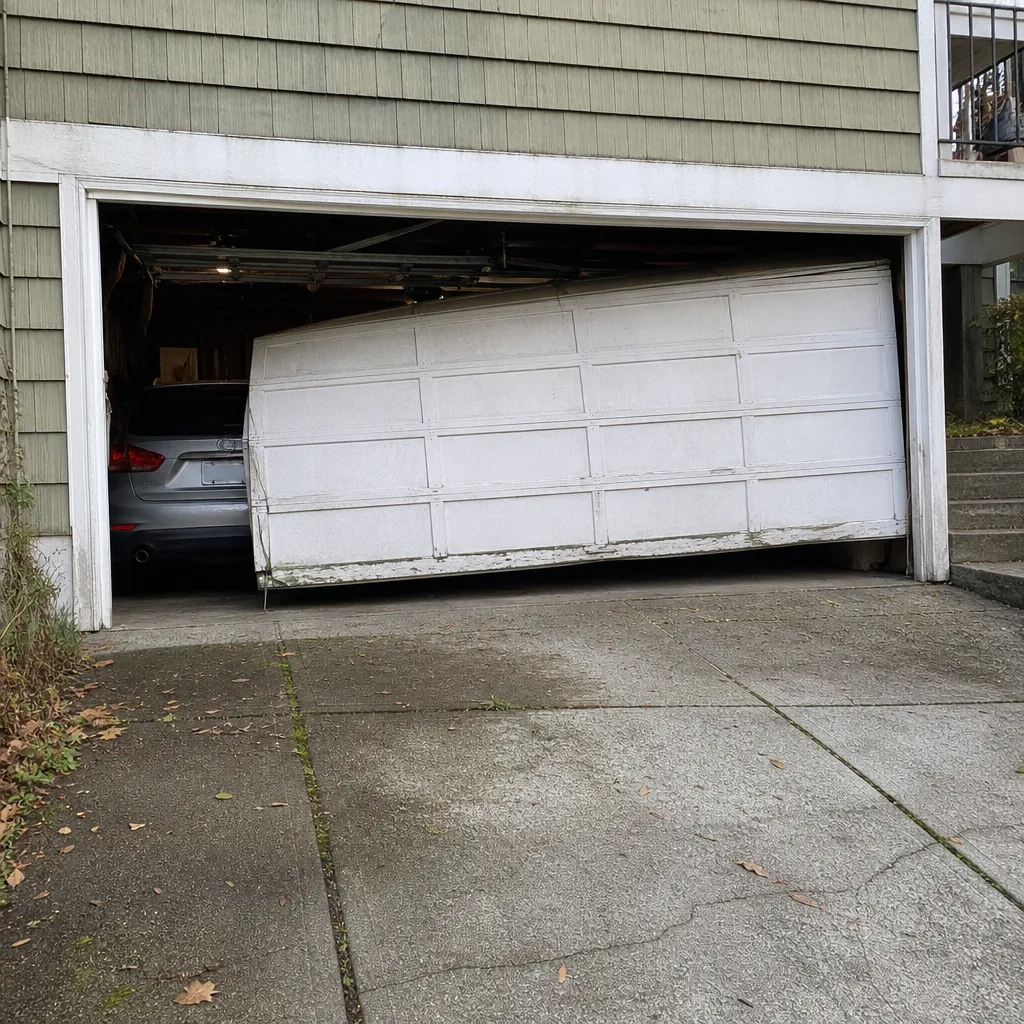 Before
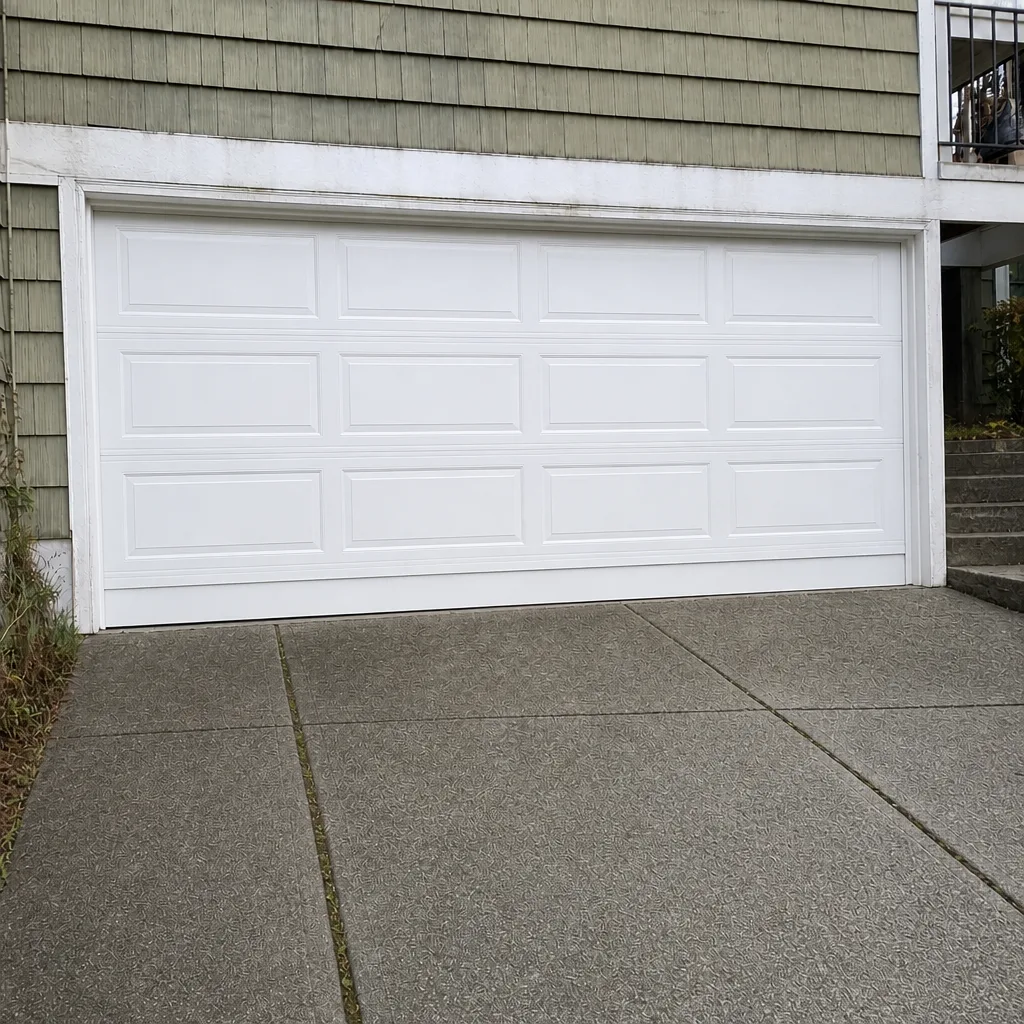 After
When to Call a Professional
Call a professional when the symptom involves the torsion springs, the cables, the tracks, the panels, or any electrical work on the opener. Call a professional when the door is heavy by hand, when you see a broken spring, when a cable is off-track, or when the door is crooked or binding. Call a professional when your hand-lift test says the door won’t hold itself open. And call a professional if you’ve tried the safe checks and the problem persists, because that persistence is telling you something mechanical is wrong. Garage Door Repair Queen Anne offers free estimates in Queen Anne. Call (844) 670-3620. We answer 24/7. Fast dispatch from 7am to 7pm, Sunday through Friday.
Frequently Asked Questions
Most reversal issues are spring tension loss or a misaligned safety sensor, and in our experience in Queen Anne’s wet climate, spring tension loss is the more common culprit. The opener senses resistance and reverses to protect itself, so the door looks like it’s hit the sensors. Run a hand-lift test by disconnecting the opener and lifting the door. If it feels heavy or drops, the springs are the issue. Call (844) 670-3620 for an exact quote, and estimates are free.
Spring repair is priced per job by a written estimate, and the estimate is free. A torsion spring job in Queen Anne is a two-part cost: the spring itself and the labor to wind and balance it safely, and a matched pair is usually replaced together. Don’t rely on a phone quote before the technician sees the door. Call (844) 670-3620 for an exact quote. We answer 24/7.
Same-day service is often available for repair calls, and we dispatch from 7am to 7pm, Sunday through Friday. We’re closed Saturday. If you call outside dispatch hours, we’ll book you into the next opening, Sunday through Friday, 7am to 7pm. Call (844) 670-3620 and we’ll get a technician out as quickly as the schedule allows.
It depends on the brand. LiftMaster and Chamberlain use error codes: a repeated five-blink pattern usually points to a sensor or travel limit problem, and a three-blink pattern usually points to a logic board fault. Chamberlain MyQ app alerts give you a timestamp for each reversal event. Genie uses LED blink patterns that indicate limit switch, sensor, or logic board issues. Write down the exact pattern before you call, and mention the brand and model, because the same blink count means different things on different brands. Call (844) 670-3620 for a diagnosis and a free estimate.
No. The price is quoted and agreed before any work starts. The technician diagnoses the fault, explains what’s needed, and gives you a written estimate. If the job reveals more than expected, you’ll hear about it before it happens. The written estimate sets the final price. Call (844) 670-3620 for a free estimate.
The local professional who comes to your door is licensed and insured as their state requires. Our technicians have up to 10 years of experience, and we work on the eight major door and opener brands we’re certified to service: LiftMaster, Chamberlain, Genie, Clopay, Amarr, Wayne Dalton, Craftsman, and Raynor. Garage doors are all we do, and the specialist focus is why we can diagnose most failures on the first visit. Call (844) 670-3620 for a free estimate.
The Bottom Line
Troubleshooting your garage door in Queen Anne comes down to one rule: identify the subsystem before you touch a tool. Reversal usually means springs or sensors. Grinding usually means rollers, hinges, or opener gears. Slow movement usually means a failing capacitor or mechanical drag. Wall-button-only operation usually means a remote, receiver, or antenna issue. Queen Anne’s wet climate adds two specific failure modes you won’t see in dry-climate guides: corrosion on the torsion spring coils and wood bottom seals freezing to the concrete. Some checks are safe (photo-eye alignment, reverse test, hand-lift balance test). Spring and cable work is not. When the symptom points to a torsion spring, a cable, a track, or the opener electronics, that’s a service call. Garage Door Repair Queen Anne covers repair, opener repair, spring repair, installation, and parts supply across LiftMaster, Chamberlain, Genie, Clopay, Amarr, Wayne Dalton, Craftsman, and Raynor. Spring repair is a dedicated specialty because it’s the most dangerous garage door job. Call (844) 670-3620 for a free estimate. We answer 24/7. Fast dispatch from 7am to 7pm, Sunday through Friday.
For a full overview of what we handle, see garage door repair Queen Anne, and for a specific issue, garage door repair is the right place to start.
Written by the team at Garage Door Repair Queen Anne.