
Last updated November 23, 2026
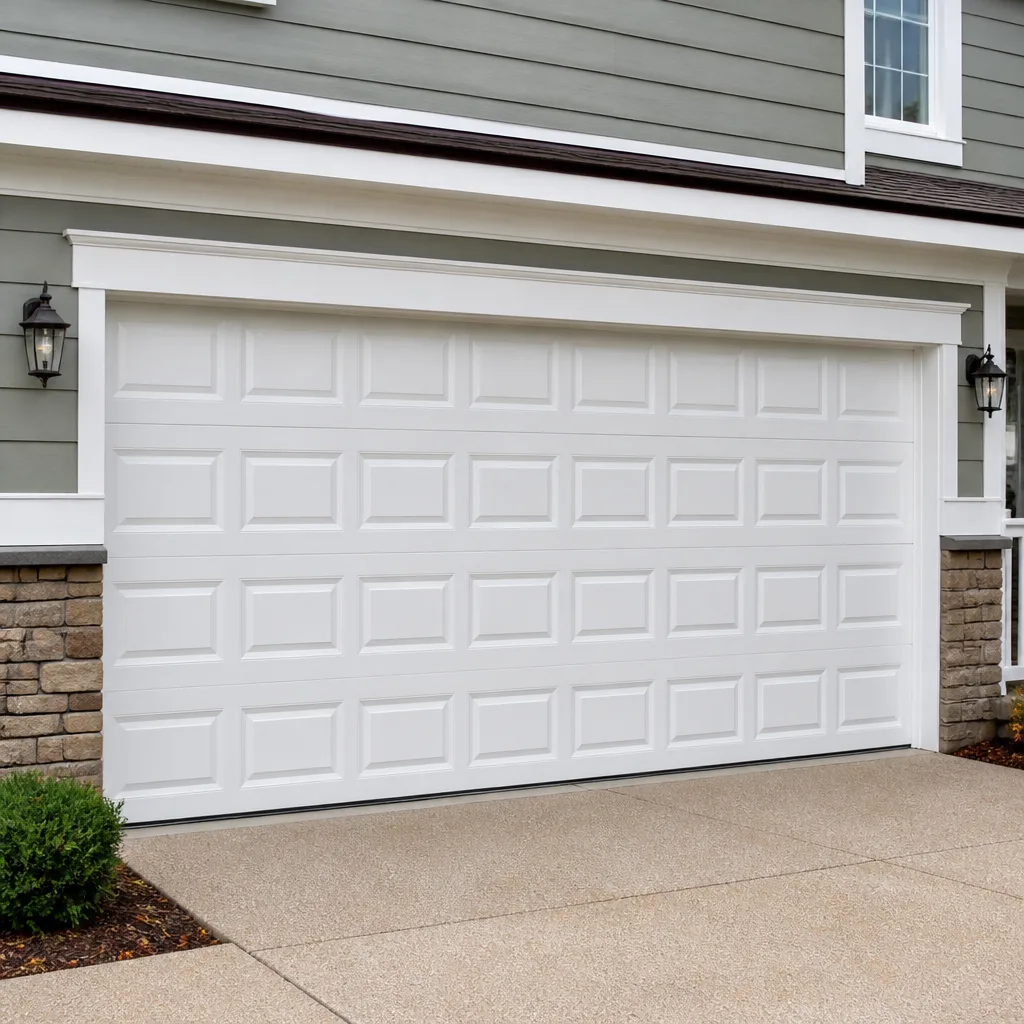 Raised-panel steel
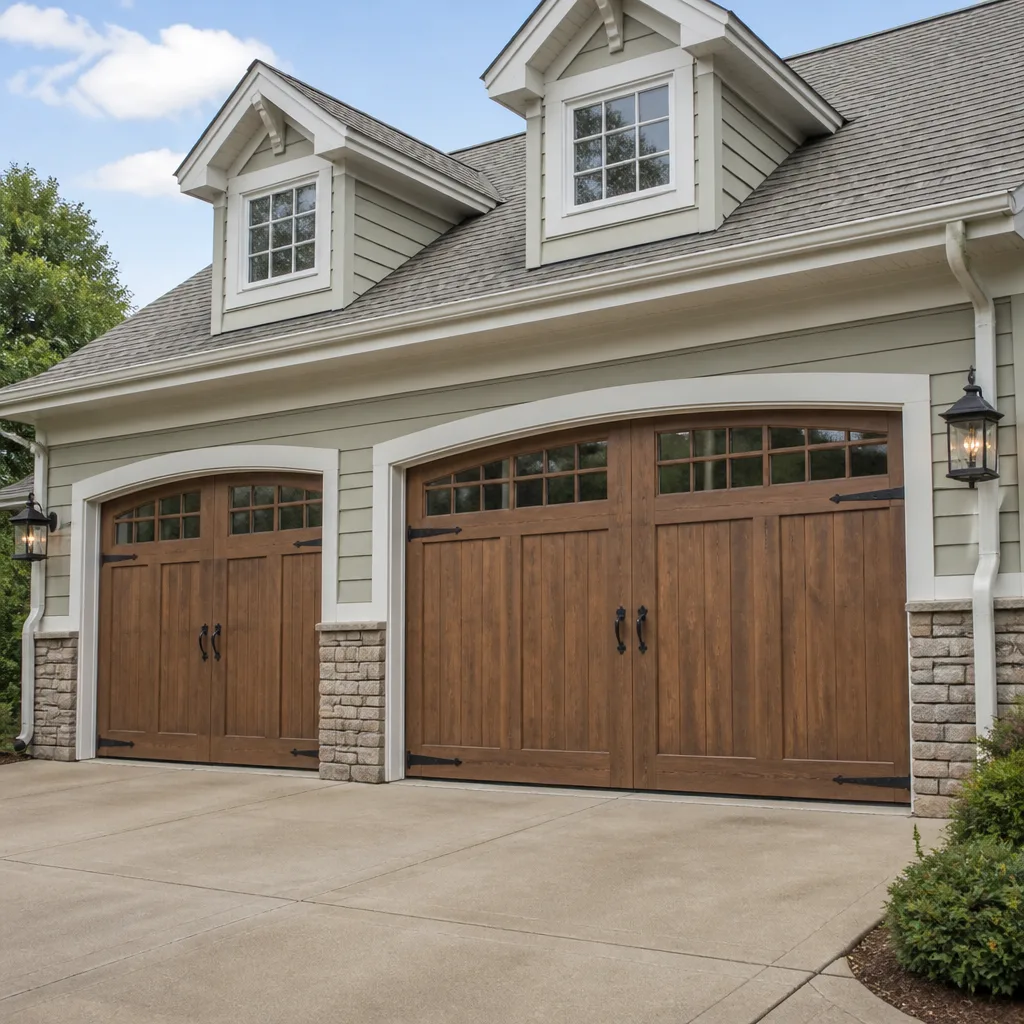 Carriage house
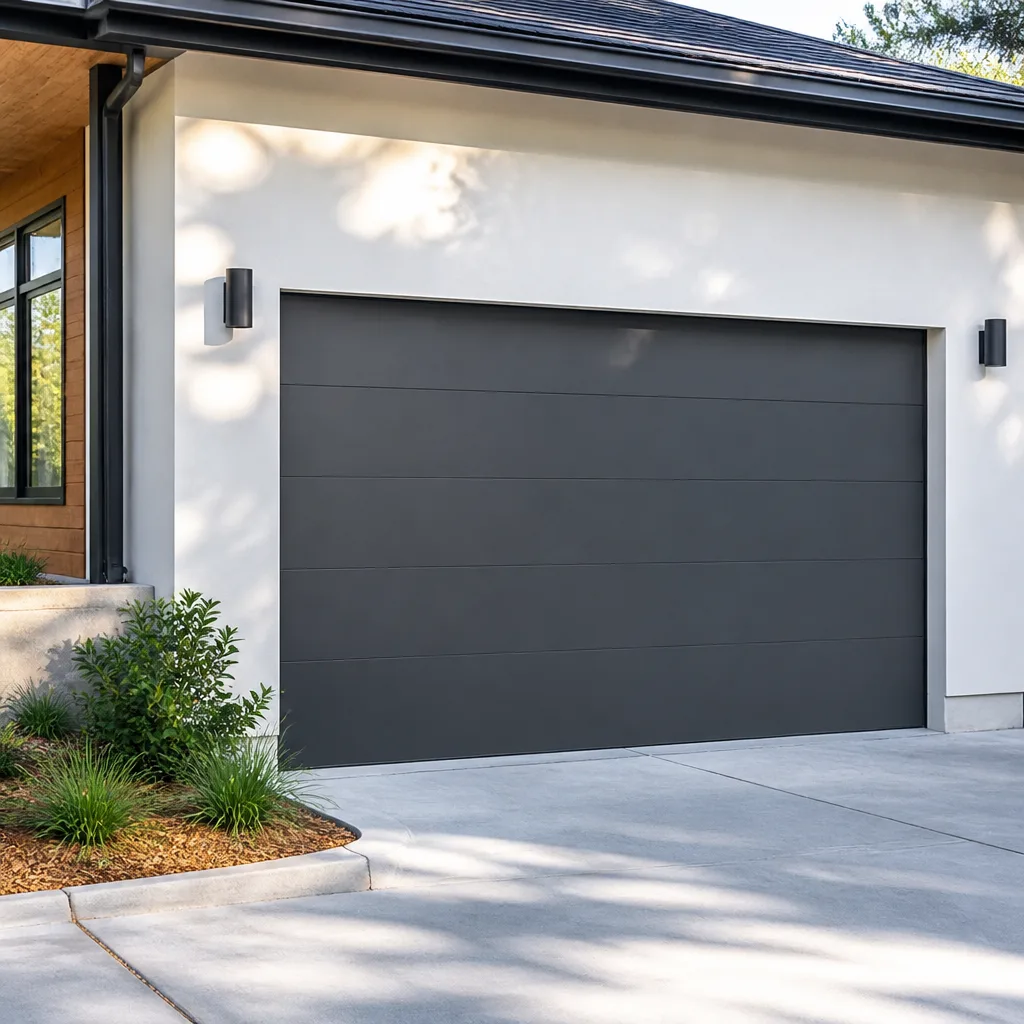 Modern flush
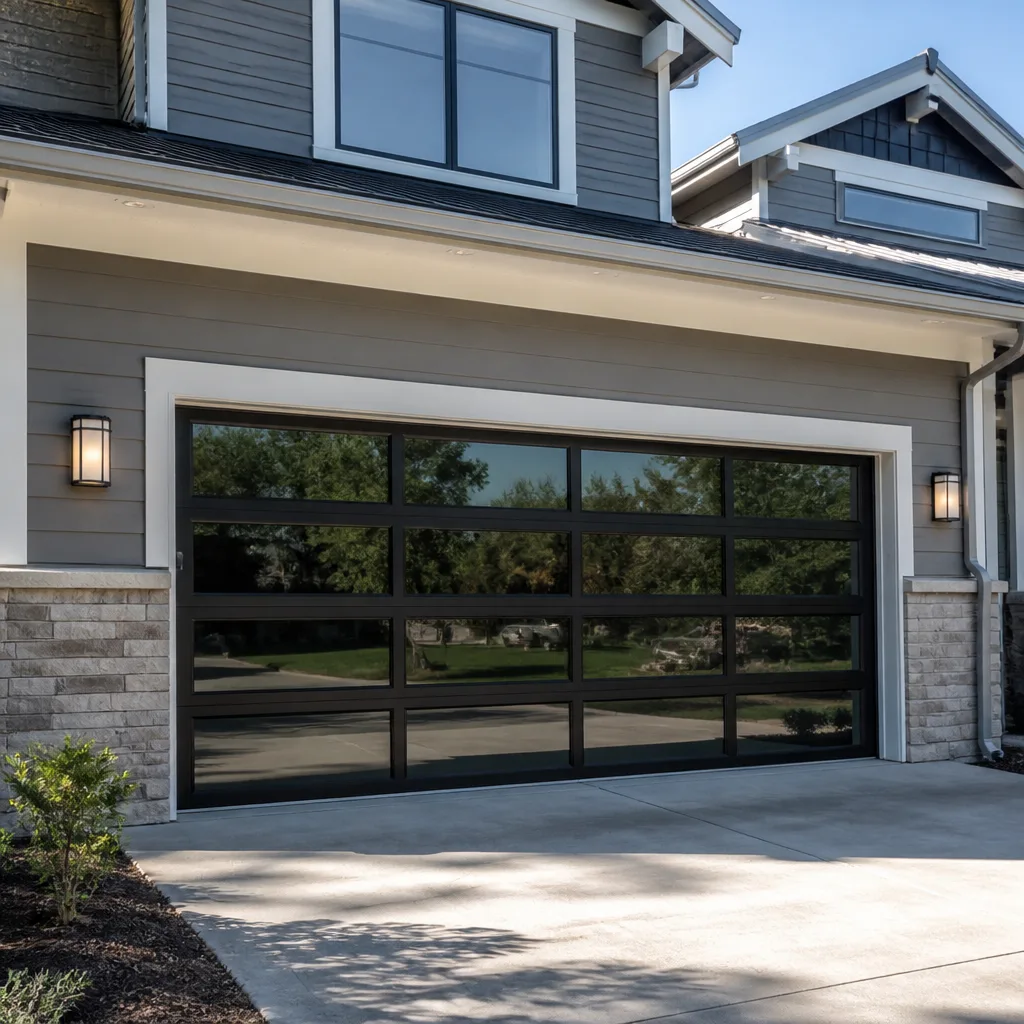 Full-view glass
 LiftMaster openers
 Chamberlain openers
Full 25-point door and opener safety check with every visit - springs, cables, rollers, tracks, and your LiftMaster or Chamberlain opener included
You get a price before we start. It does not change when the pro arrives.
Get your free estimateGarage Door Warning Signs: A Queen Anne Homeowner’s Reference Guide
Most failing garage doors tell you what’s wrong before they stop working. The trick is knowing which symptom maps to which part. A door that hesitates before it lifts isn’t asking for a new opener. That half-second pause usually means the spring has lost tension and the motor is straining against a load it was never sized for. The same misreading shows up all over Queen Anne, where a lot of doors are running original springs behind openers that get blamed first. This guide decodes the sounds, movements, and visual clues into specific causes, so when you call you can describe what’s actually happening instead of saying “it just sounds bad.”
Quick Answer
The main garage door warning signs are unusual sounds (grinding, squealing, popping, banging), uneven or jerky movement, a door that won’t hold a half-open position, slack cables, rust streaks from hardware, and daylight visible under the bottom seal. Each points to a specific component with its own urgency level. Popping or banging near the springs, a door that slams down, or a visibly broken spring means stop using the door now and call a trained technician.
Styles & brands we work with
- Raised-panel steel
- Carriage house
- Modern flush
- Full-view glass
- LiftMaster openers
- Chamberlain openers
Table of Contents
- Sound-to-Cause Index: What Each Noise Tells You
- Movement Symptoms Decoded
- Visual Warning Signs You Can See From the Driveway
- Opener Indicator Lights and Error Codes
- Urgency Triage: Stop Today vs. This Week vs. Monitor
- Why Queen Anne Doors Wear Differently
- The Safety Signs That Override Everything Else
Sound-to-Cause Index: What Each Noise Tells You
Sound is the first diagnostic tool we reach for, because every moving part in a garage door system makes a distinct noise when it starts to fail. Match the sound to the cause and you’ve narrowed the problem before anyone arrives. In Queen Anne, where temperatures swing from wet and mild to cold enough to stiffen every lubricated joint, sound is often the only early warning you get.
- Grinding: Usually worn rollers, dry hinges, or a torsion tube dragging in its bearing plates. Grinding tends to build gradually and often responds to lubrication and roller replacement. It’s rarely an emergency but it accelerates wear on the whole system.
- Squealing or high-pitched scraping: Metal-on-metal contact. Dry rollers with plastic bearings that have worn through, or a bent track rubbing against a roller. It gets worse faster than grinding and can score a track if ignored.
- Popping or snapping: This one matters most. If you hear a loud pop from above the door, a torsion spring has likely snapped. Stop using the door and call a professional. Torsion springs sit under extreme tension, and a door with a broken spring on a standard opener can drop without warning.
- Banging or slamming: The door is hitting the floor too hard on the way down, which points to a misadjusted limit switch, a failing spring, or an opener running past its stop point. This loads the bottom panel and the whole lift system every cycle.
- Rattling: Loose hardware, worn end bearings, or rollers that have pulled out of their brackets. Rattling is the easiest noise to fix and the easiest to ignore until it becomes something bigger.
If the sound is consistent, log it. Ten seconds of the same grind every morning is a specific, useful complaint. That’s the kind of detail that helps a technician arrive prepared. For a full breakdown of repair options, see our Garage Door Repair Queen Anne page.
Movement Symptoms Decoded
How the door moves tells you almost as much as how it sounds. Each symptom below has a most likely cause, and not one of them is “the opener is bad.” That diagnosis tends to be the expensive shortcut.
Slow or hesitant on the way up only
A door that lifts reluctantly but lowers normally is fighting gravity against a load it wasn’t designed for. Nine times in ten the cause is a torsion or extension spring that has lost tension. The opener motor has a rated lift capacity, and a tired spring pushes it to the edge of that rating. Replacing the opener first is the classic misdiagnosis; the new opener inherits the same overload and fails faster.
Jerky or uneven descent
A door that drops in stops and starts, or travels at an uneven speed, usually points to a track problem, a worn roller, or a binding hinge. It can also mean the opener’s travel limits are off. This one is worth scheduling for the same week, because a jerky door is loading its own hardware unevenly.
Uneven gap at the bottom
Stand inside with the door closed and look at the floor line. Daylight showing under one corner but not the other points to a bent bottom panel, a track that’s out of plumb, or a door that has shifted in its opening. In Queen Anne, where homes sit on sloped lots and garages are often tucked under the house, an uneven floor reference is common and needs a real adjustment, not just a thicker seal.
Door won’t stay open in the half-open position
Try lifting the door by hand with the opener disconnected, about halfway, and letting go. A properly balanced door should stay put or drift slightly. If it slams down, the spring system has failed and the door is unbalanced. Stop using the door at that point. Manual testing of a door with a suspected spring failure should only be done from the outside handle, never by reaching your hand into the spring area.
Balance is the single best indicator of spring health, and spring repair is its own specialty, not a side task. When a door is out of balance, our garage door repair team checks the whole lift system, not just the spring.
Visual Warning Signs You Can See From the Driveway
You don’t need to touch anything to spot early wear. A slow walk around the door with the opener disconnected and the door closed will surface most of these. What you’re looking for is anything that means a part has moved, dried, cracked, or given up.
- Cable slack: Both lift cables should be under steady tension from the bottom bracket to the drum above. A hanging or loose cable is a failed connection. Do not touch a slack cable; it can whip under load. Call a professional.
- Rust streaking from hardware: Orange-brown trails running down from hinges, brackets, or rollers mean the zinc finish has worn through. In Queen Anne’s wet winters, exposed fasteners rust faster than in drier climates, and rusted hinge pivots are the entry point for the grinding and squealing you’ll hear next.
- Daylight under the bottom seal: A visible line of light along the floor means the seal is compressed, torn, or missing. That’s a water and pest entry point, and in Puget Sound weather it matters more than it sounds.
- Peeling paint near weatherstripping: Paint failure right at the frame usually means moisture is trapped against the wood there. Left alone, that’s how a bottom frame section softens.
- Bowed or cracked panels: A bent top section or a cracked panel along the stress line at the hinges is a structural sign, not a cosmetic one. A cracked panel under spring load can fold.
- Rollers out of their tracks: Look along the edge where the door meets the track. Any gap or popped roller means the door is traveling off its guide system.
Visual checks are safe to do on a closed door. Once you start looking at the spring area overhead, stop. Those components are under high tension and require proper tools and training to handle safely.
Opener Indicator Lights and Error Codes
Modern openers tell you what they think is wrong, if you know where to look. Queen Anne homes have a lot of LiftMaster and Chamberlain units, and a few Genie models, so it pays to know the basics on the common ones. Our garage door opener repair service handles all of them, and brand-specific logic matters here.
Two things to check first. Find the diagnostic LED on the opener head or the wall control, then match the pattern to the manual for your model. The patterns usually encode three things: a safety-reversal sensor fault, a travel or limit fault, or a motor overload. That last one is worth repeating. A motor overload code often means the springs are tired, not that the motor is dead.
LiftMaster 8500W
The 8500W uses an LED on the head to signal error states. A small number of blinks points to a sensor or travel issue; a larger block of blinks typically points to a logic or motor fault. If the opener is a wall-mount unit, an overload indication is a strong hint to check the door’s balance before replacing anything electrical.
LiftMaster 84505R
The 84505R shows diagnostic codes on the wall control and head LED. If you see a sensor-fault pattern, check that the two photo-eye lenses are clean and aligned, then reset the door. If the code returns within a cycle, the fault is not the sensor; it’s the opener reacting to a door that’s binding or unbalanced.
Chamberlain B6765
The Chamberlain B6765, part of the myQ family, uses a head LED and app alerts. App notifications are useful because they timestamp the event. A “door obstructed” or “motor overload” alert at the same time every day is diagnostic gold: it points to a mechanical issue in the same spot of the travel path. Bring that timestamped pattern to the call.
On any brand, the sequence matters more than the code. A code that shows once and clears is often a transient sensor hit. A code that repeats every cycle points to a mechanical load the opener can’t overcome. That’s the difference between a sensor adjustment and a spring job, and getting it wrong costs real money.
Urgency Triage: Stop Today vs. This Week vs. Monitor
Not every warning sign is an emergency, and treating one like it is wastes money. Treating a real one as a wait-and-see is how people get hurt. Here’s how we sort it.
Stop using the door today
- A visible break in the torsion or extension spring, or a loud pop followed by loss of lift.
- A door that won’t stay in the half-open position and drops under its own weight.
- A slack, frayed, or visibly torn lift cable.
- A door that travels off its track or hangs at an angle.
- Any opener that still runs after the safety-reversal sensor test fails.
These are load-bearing or safety-compromised failures. Keep the door down, disconnect the opener if you can do so safely, and call. This is the kind of work a trained technician should handle, not a homeowner with a pair of winding bars and a ladder.
Schedule within the week
- Consistent grinding or squealing on every cycle.
- Jerky or uneven travel in either direction.
- An uneven gap at the floor line.
- A single panel that’s bent or cracked but the door still operates normally.
- Opener codes that repeat more than once a week.
Monitor for now
- Faint rattling from loose hardware.
- Rust just starting on hinges or brackets.
- A bottom seal that’s slightly compressed but still blocking daylight.
- A paint edge starting to lift near the weatherstripping.
These are maintenance items. Note the date you first spot them and check again in a month. When several start stacking up in the same season, that’s your signal to schedule a service call.
Why Queen Anne Doors Wear Differently
Queen Anne’s climate is gentle on humans and hard on garage door hardware. Two things drive most of the wear we see. First, wet winters keep everything in the garage humid for months, which accelerates rust at hinges and fasteners. Second, the freeze-thaw cycles that hit in winter work on any sealed joint: lubricant gets pushed out, wood swells and shrinks, and small clearances open up.
The housing stock adds a twist. Many Queen Anne garages are tucked under the main floor on a slope, so the door is often set into a recessed opening that holds moisture. Detached garages on the older blocks face the weather directly. Neither setup is a problem as long as the hardware gets checked before the wet season, not after.
One local rule worth knowing: most cities require a permit for a full door replacement or structural work on the opening, so ask the City of Seattle’s building department what applies to your address before you order a new door. Not every job needs one, but a question now saves a scramble later.
When a door is beyond repair, we handle a full garage door installation, including Clopay and Amarr models sized to older, nonstandard openings. If you want to compare a repair against a replacement, that’s a conversation, not a sales pitch.
The Safety Signs That Override Everything Else
Some warning signs aren’t about the door at all. They’re about the people and vehicles near it. Two components in a garage door system are genuinely dangerous: the springs and the cables. Both are under extreme tension, and both can cause serious injury in a fraction of a second if handled wrong.
- A broken spring: Never try to lift or open a door with a broken spring. The weight is now unsupported. Call a professional.
- A loose cable: Keep clear. A slack cable can release stored energy unpredictably.
- A failed reversal test: If the door doesn’t reverse when it meets an object, the safety system is compromised. Stop using the door until it’s fixed. This is quick for a technician and not something to defer.
- Children or pets in the path: Test the safety reverse once a month. It takes under a minute and it’s the single best check you can do yourself.
Our technicians have up to 10 years of experience with spring and cable work, and we keep certified familiarity with LiftMaster, Chamberlain, Genie, Clopay, Amarr, Wayne Dalton, Craftsman, and Raynor systems because that’s where the parts live. Garage doors are all we do, so when the diagnosis is serious, it gets handled properly. We answer 24/7. Fast dispatch from 7am to 7pm, Sunday through Friday.
Common Mistakes to Avoid
- Replacing the opener before checking the springs. This is the most expensive mistake on the list. A hesitant or overloaded opener is often reacting to tired springs. Get the door balanced first, then decide about the motor.
- Lubricating the tracks. Tracks are meant to stay dry. Greasing them collects grit and makes rollers bind. Lubricate hinges, rollers, and bearing plates, not the tracks.
- Using a bigger spring to fix a heavy door. A spring needs to match the door’s weight and height, not exceed it. The wrong spring overloads the opener and the torsion tube.
- Cutting a broken cable or spring out yourself. The energy stored there is enormous. This is a job for a trained technician with the right winding tools.
- Ignoring one repeating opener code. Codes that recur every cycle point to mechanical problems the opener can’t fix. A sensor reset hides the symptom, not the cause.
- Skipping the permit question. In Queen Anne, a full replacement or structural opening change usually needs a permit. Ask the building department before work starts, not after.
- Buying the cheapest replacement panel without measuring. Queen Anne’s older garages often have nonstandard opening heights. Measure twice and match the panel to the actual opening.
See the difference
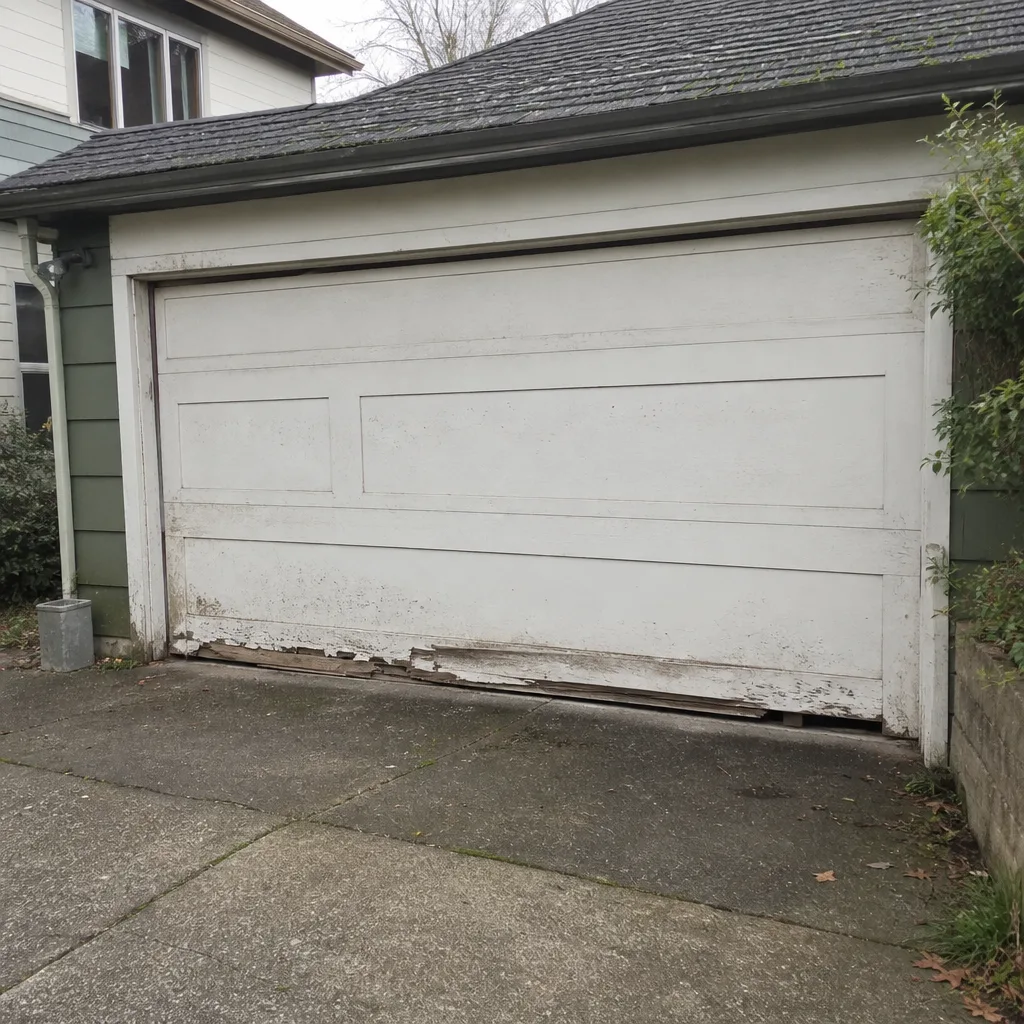 Before
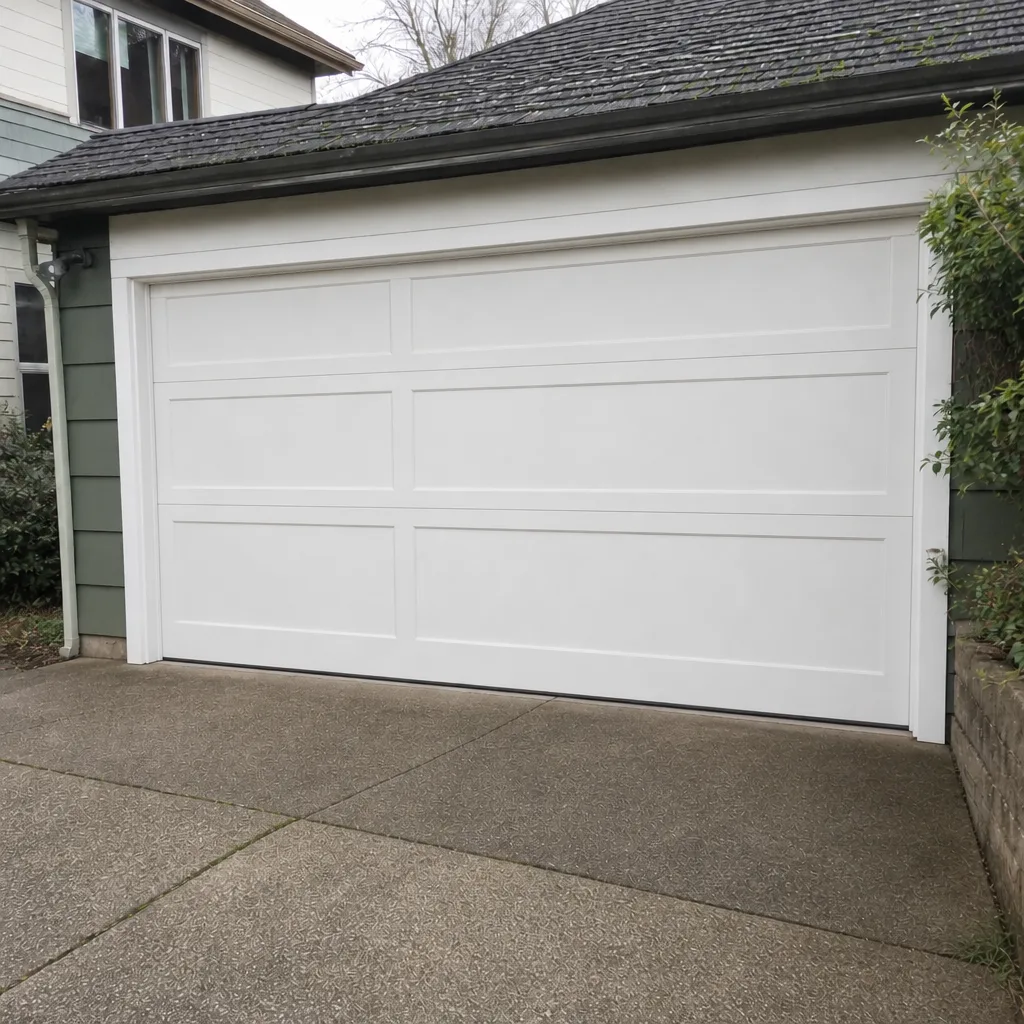 After
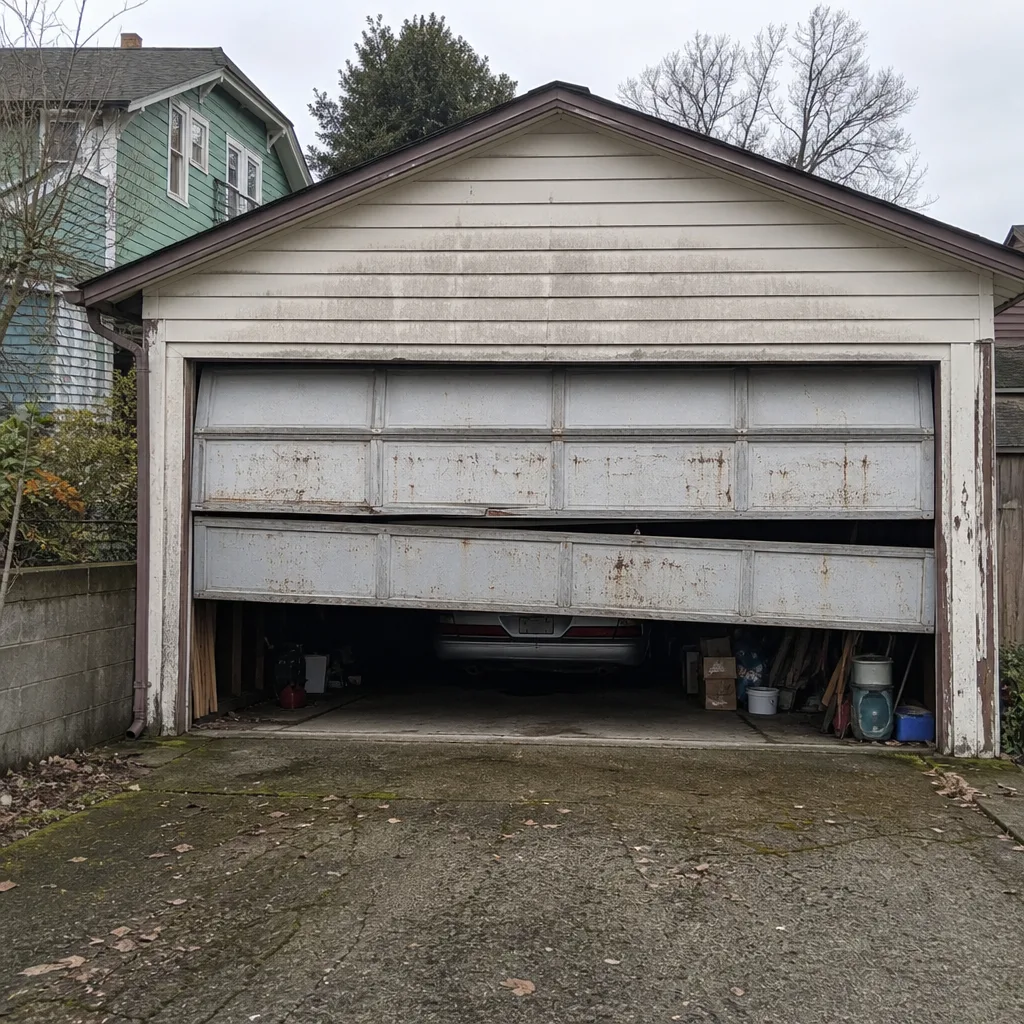 Before
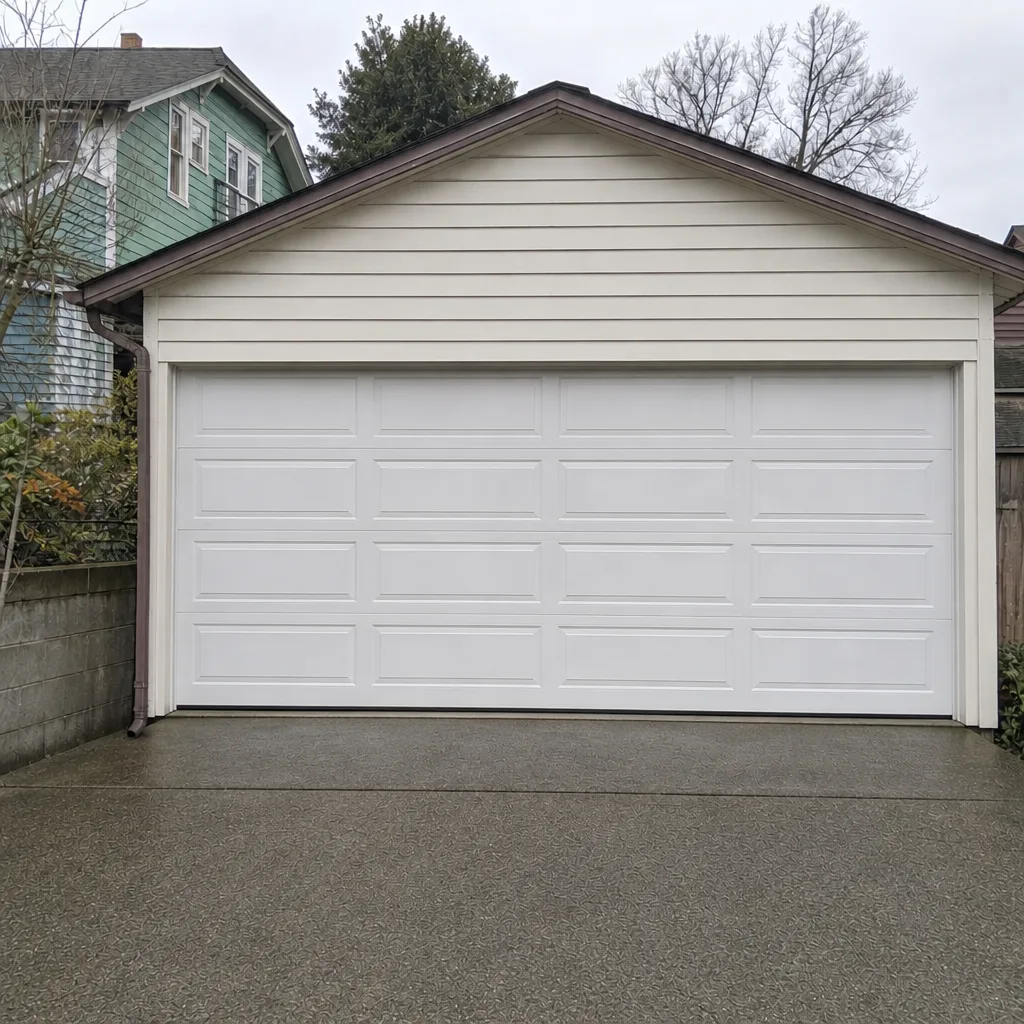 After
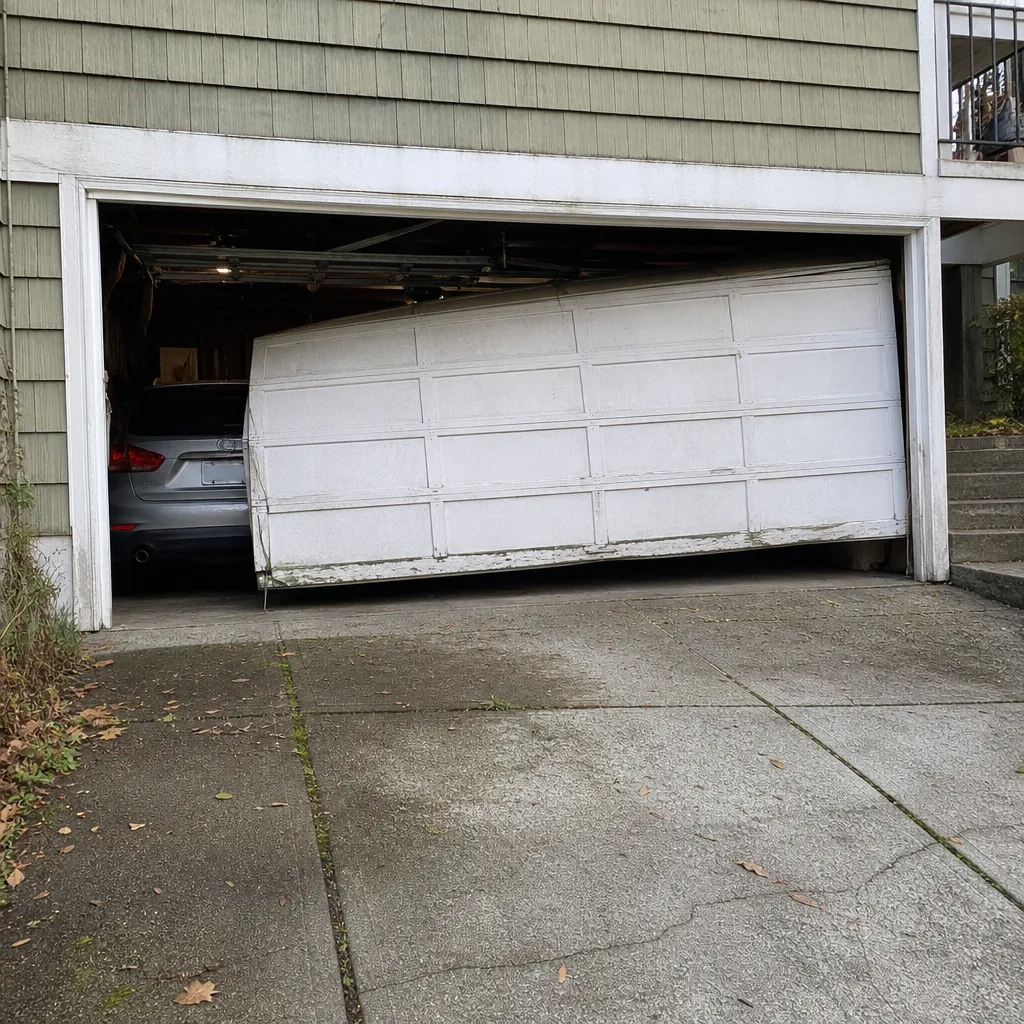 Before
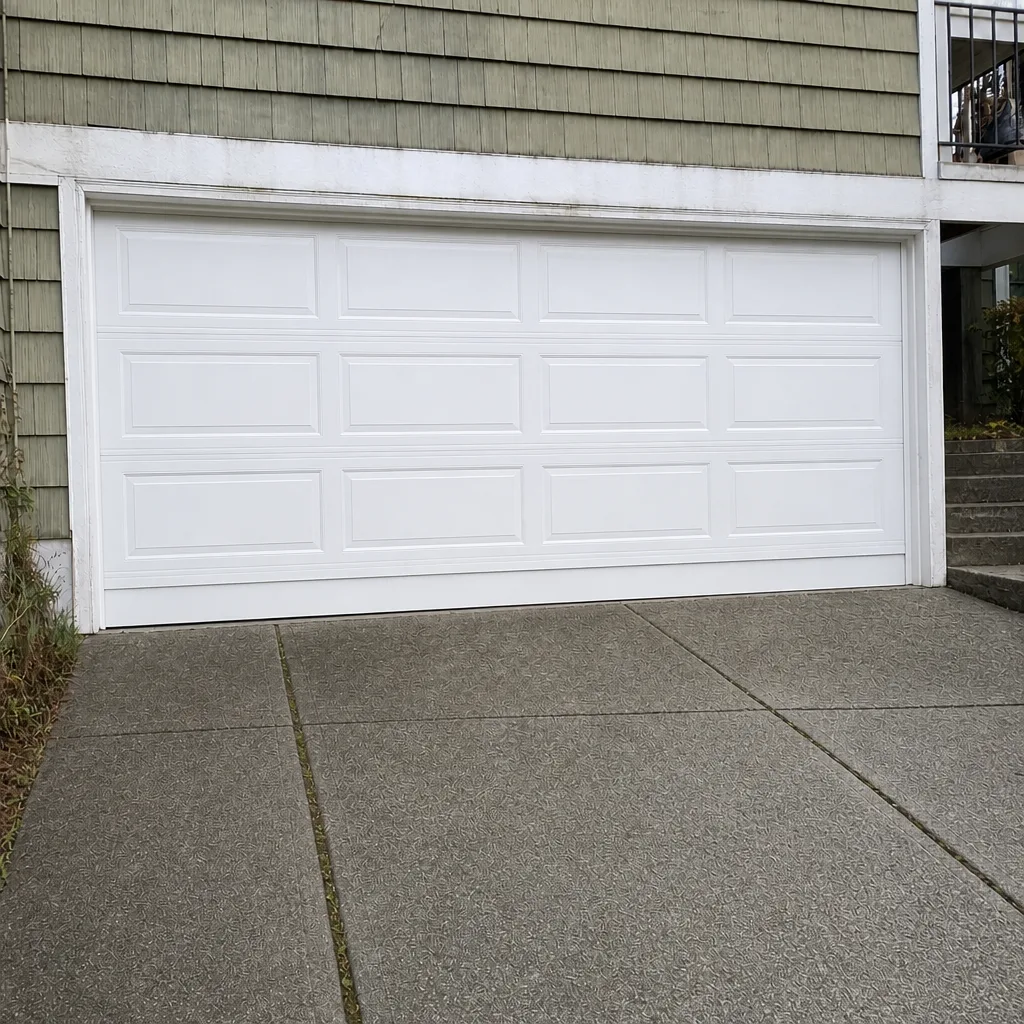 After
When to Call a Professional
Call a professional when the warning sign involves a spring, a cable, a door that won’t hold its half-open position, or a failed safety reverse test. Those are the signs where continued use loads the system past what it can safely handle. Call us today if the door is sluggish on the way up but normal on the way down, grinding consistently, or running a code that repeats every cycle. And call if the door is uneven at the bottom, leaving a daylight gap, or scored a paint failure line along the weatherstripping. Garage Door Repair Queen Anne offers free estimates in Queen Anne. Call (844) 670-3620. We answer 24/7. Fast dispatch from 7am to 7pm, Sunday through Friday. The estimate is free, and the written estimate sets the final price, so there is no guessing about the invoice.
Frequently Asked Questions
The most common signs we see are grinding rollers, a door that’s slow on the way up, an uneven gap at the bottom, and rust streaking from hinges. All four come from the wet-winter humidity that keeps Queen Anne garages damp for months. If one of them shows up alongside a repeating opener code, that’s a stronger signal than any single symptom alone.
No. A slow lift is usually a sign that the spring system has lost tension and the opener is working at the top of its rated load. Replacing the opener first is a common and costly mistake. Check the door’s balance by lifting it by hand, then call for a spring inspection. Call (844) 670-3620 for a free estimate.
On most LiftMaster and Chamberlain units, the head LED blinks in patterns that point to sensor faults, travel or limit faults, or motor overload. Sensor patterns are usually reset by cleaning and aligning the photo-eyes. Patterns that return every cycle point to a mechanical problem with the door. Call with your model number and the blink pattern, and we’ll get you a free estimate.
Stop using the door if you see a broken spring, a slack or frayed cable, a door that won’t hold the half-open position, a door off its track, or a failed safety reverse test. These aren’t nags. Each can cause injury or further damage in a single cycle. Call (844) 670-3620 and we’ll book a visit in the next opening.
In most cases, yes. Spring repair is a dedicated specialty here, and we keep parts for LiftMaster, Chamberlain, Genie, Clopay, Amarr, Wayne Dalton, Craftsman, and Raynor systems so we aren’t waiting on an order. Call (844) 670-3620 for availability. We answer 24/7. Fast dispatch from 7am to 7pm, Sunday through Friday.
No. The written estimate is the price, and it’s agreed before any work starts. If we find an additional fault while we’re in the door, we stop and quote it before proceeding. Nothing gets added to the invoice without your approval first. Call (844) 670-3620 for a free estimate.
The Bottom Line
Your garage door is telling you what’s wrong every time you use it. Grinding means worn rollers. A slow lift means tired springs. A pop from above means a broken spring. Repeat that mapping in your head and you’ll ask a better question when you call. The urgency line is just as important: broken springs, slack cables, unbalanced doors, and failed reversal tests mean stop today; grinding, jerky travel, and an uneven floor gap mean schedule this week; rattling and early rust mean monitor. Get the routine checks into your seasonal rhythm, ask the city about permits for any structural change, and let a specialist with brand-specific knowledge handle the dangerous parts. Garage doors are all we do, and our technicians have up to 10 years of experience with the spring work most generalists won’t touch.
Call Garage Door Repair Queen Anne at (844) 670-3620 for a free estimate. Tell us what you’re hearing, what the door is doing, and which way it looks off, and we’ll take it from there. We answer 24/7. Fast dispatch from 7am to 7pm, Sunday through Friday.
Written by the team at Garage Door Repair Queen Anne.