
Last updated November 23, 2026
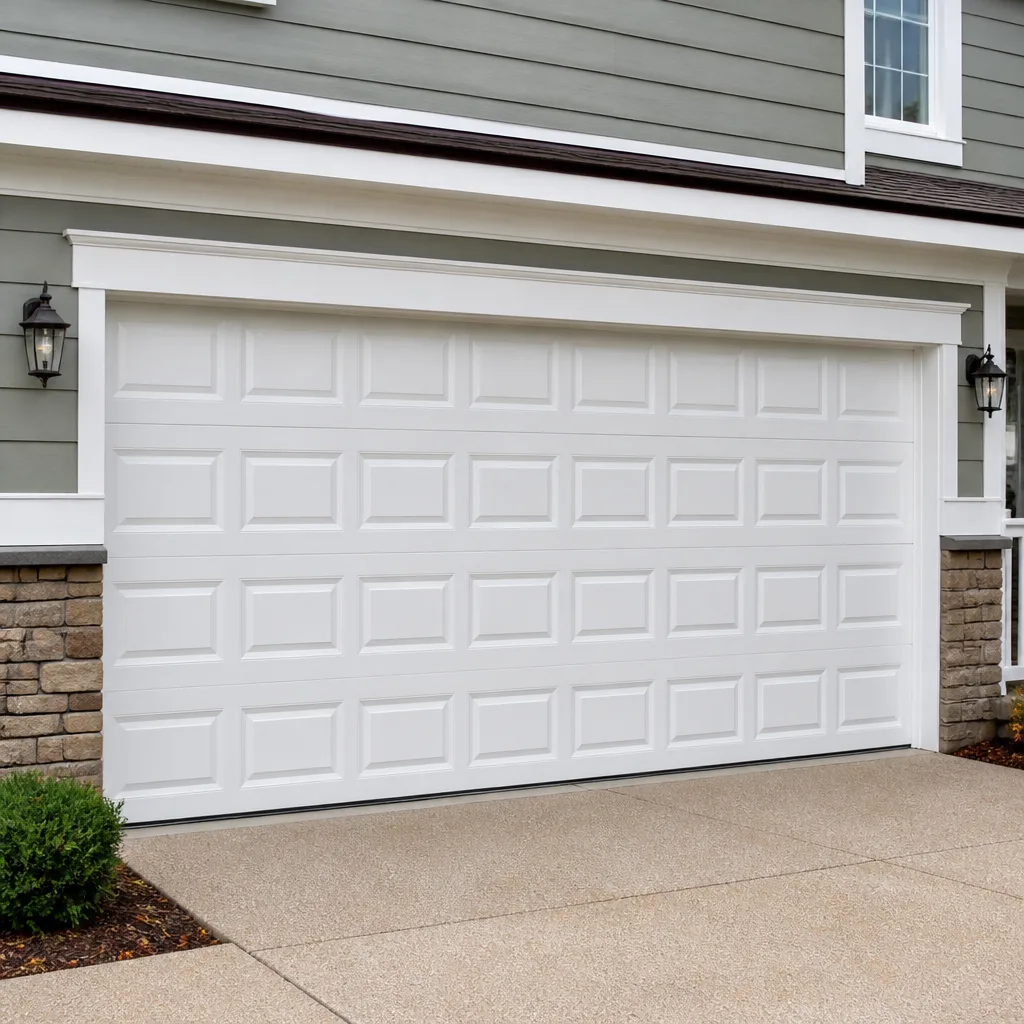 Raised-panel steel
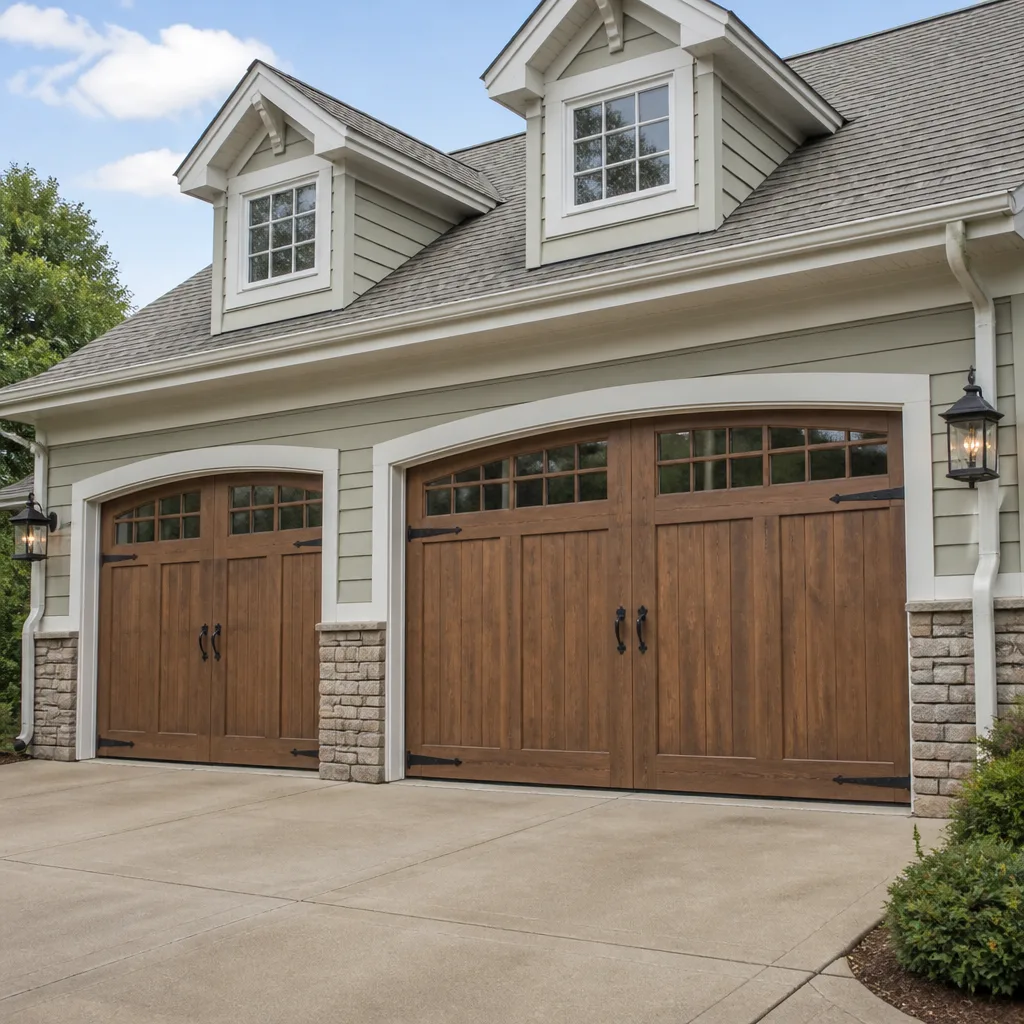 Carriage house
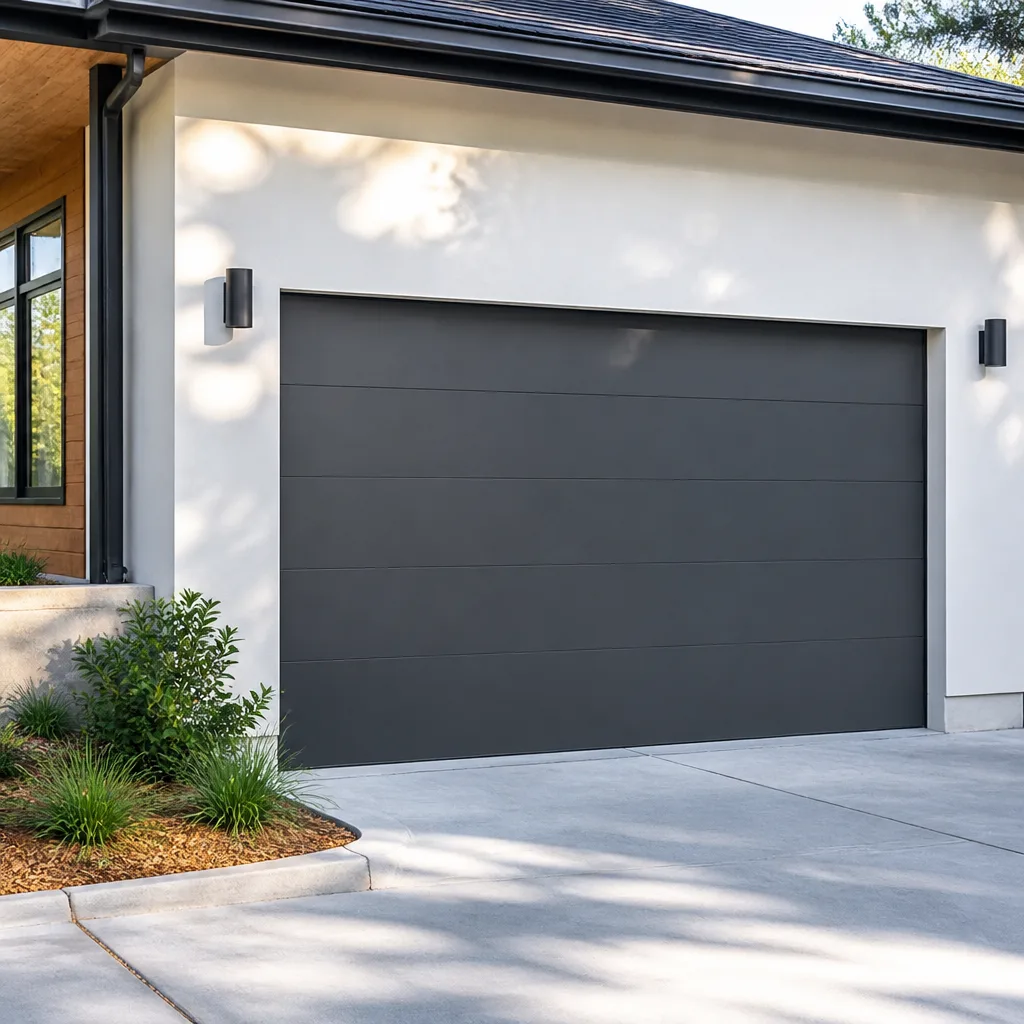 Modern flush
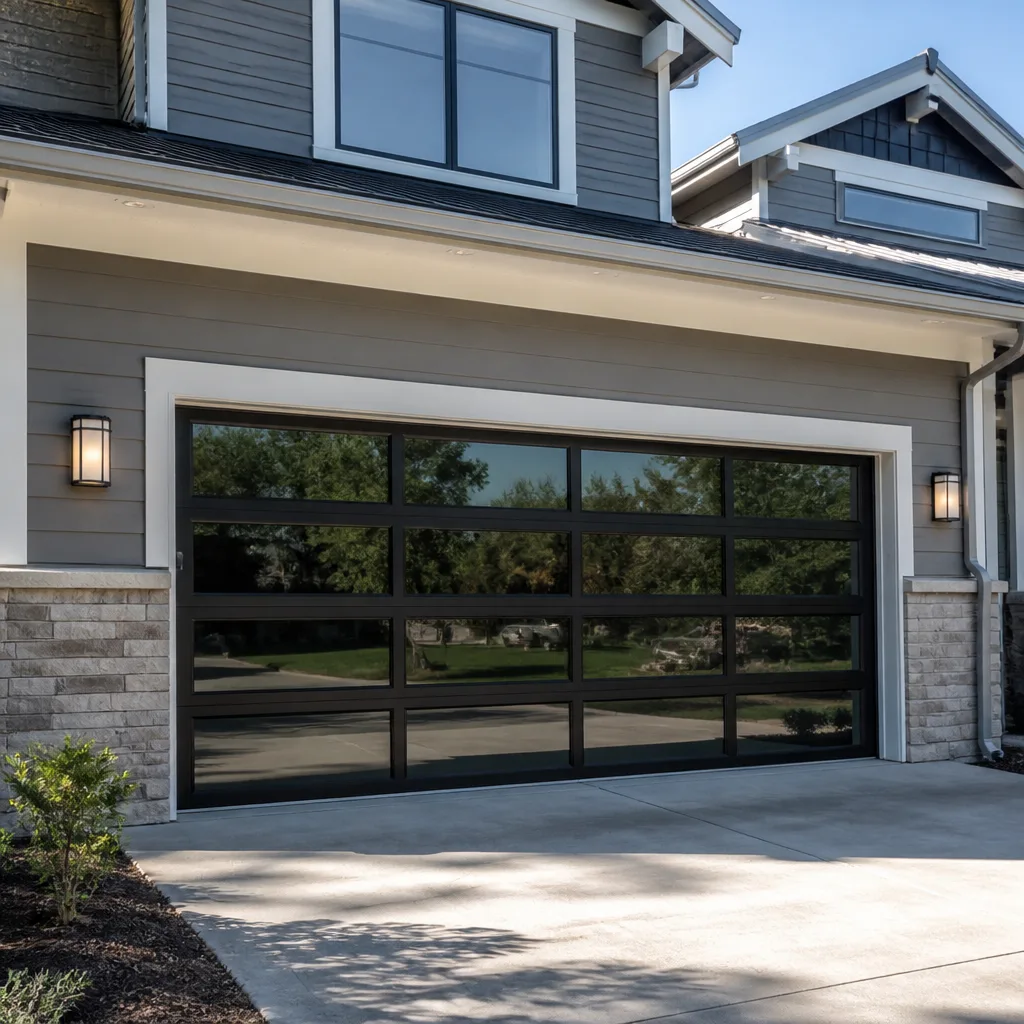 Full-view glass
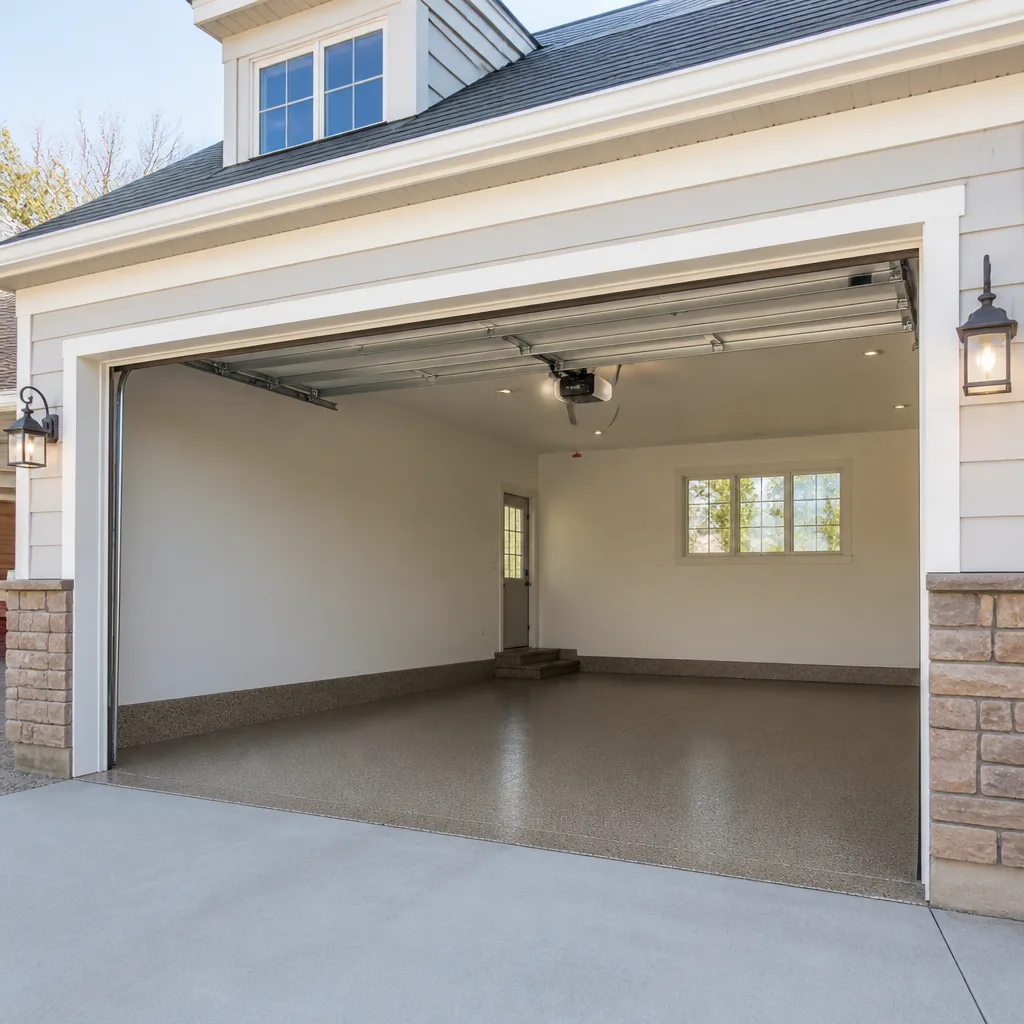 LiftMaster openers
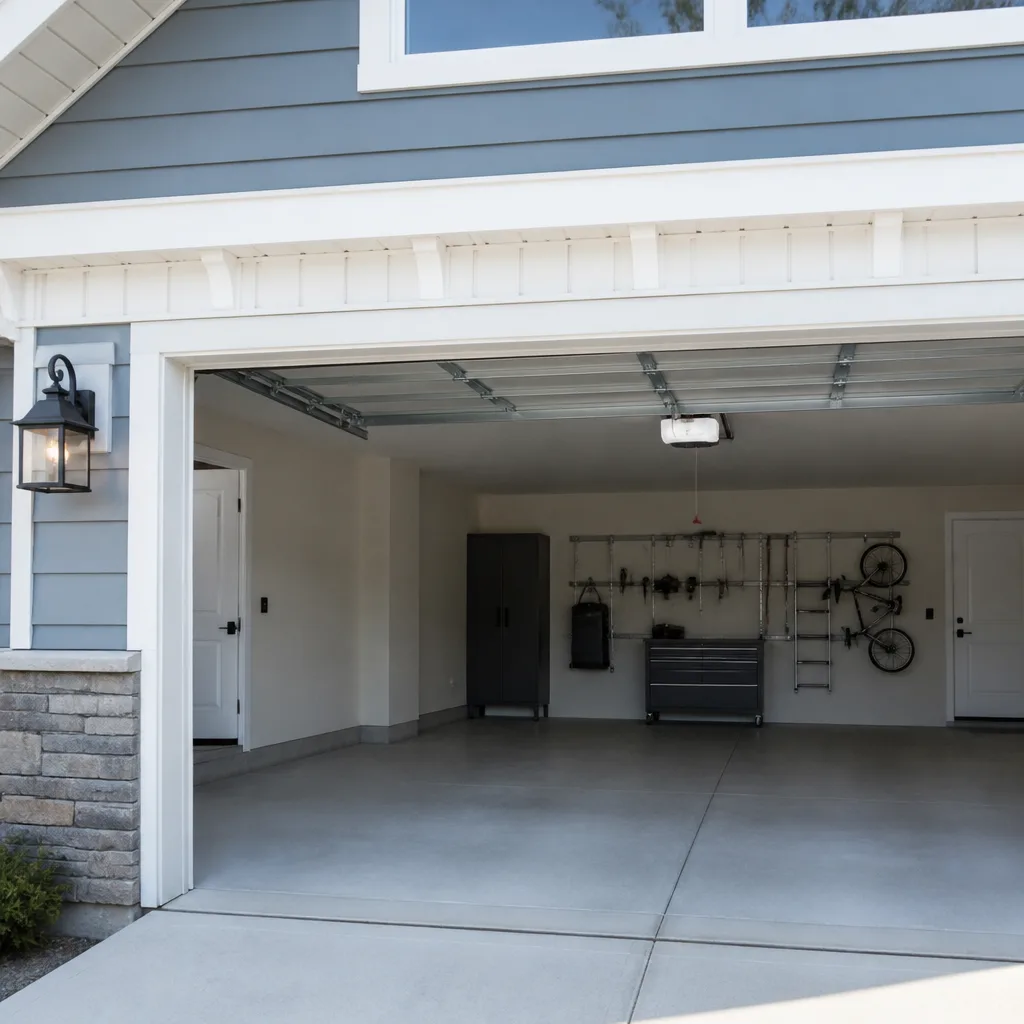 Chamberlain openers
Full 25-point door and opener safety check with every visit - springs, cables, rollers, tracks, and your LiftMaster or Chamberlain opener included
You get a price before we start. It does not change when the pro arrives.
Get your free estimateGarage Door Emergency Preparedness Guide for Queen Anne Homes
Most garage door advice assumes the door is working. That’s the wrong place to start. The situation Queen Anne homeowners actually end up in is messier: a torsion spring snaps while the door is halfway up, and a 400-pound panel is left hanging on a single cable with nothing to balance it. A door in that state isn’t simply stuck. It’s under uneven load and can drop without much warning. Leaning on the bottom section and trying to ease it down by hand is the wrong move, and most people don’t find that out until they’re already in it. This guide covers what to do in that moment, how to get out of a powerless garage, how to tell a snapped cable from a broken spring, and what to have ready before you call so the fix happens on the first visit.
Quick Answer
If a spring or cable fails while the door is open, leave the door where it is, keep people and vehicles clear of it, and call for a technician. Never try to walk the door down by hand or prop it with ladders or lumber. If the problem is only a power outage, use the manual release on your opener and lift the door by hand. For anything mechanical, don’t force it. Don’t drive under a door you don’t trust. We answer 24/7, and a call placed outside dispatch hours gets booked into the next opening. Call (844) 670-3620 for a free estimate.
Styles & brands we work with
- Raised-panel steel
- Carriage house
- Modern flush
- Full-view glass
- LiftMaster openers
- Chamberlain openers
Table of Contents
- What to Do When a Door Is Stuck Open with a Broken Spring
- Cable or Spring? How to Tell What Failed
- Power Outage Manual Release for Common Seattle Openers
- The Jackshaft Opener Problem in Finished Queen Anne Garages
- What to Have Ready Before You Call
- Securing the Opening While the Door Is Out of Service
- Maintenance That Prevents Emergency Calls
- Common Mistakes to Avoid
What to Do When a Door Is Stuck Open with a Broken Spring
The number one rule: do not try to lower the door by hand. A torsion spring does the lifting. Once it fails, the door’s weight is no longer counterbalanced, and the panels on whichever side still has tension can shift or drop as you move them. Springs and cables sit under high tension even while the door looks calm. Getting underneath to guide the door down is how people get hurt.
Here’s the sequence that keeps everyone safe until a technician arrives:
- Stop using the opener. A motor pulling against a door with no spring tension strains the trolley, the chain or belt, and the drive gear. Turn the opener off at the wall switch if you can reach it safely.
- Clear the area. Keep people, pets, bikes and vehicles out from under and behind the door. The tracks and the space just inside the header are the danger zone.
- Don’t prop the door with ladders, brooms, boxes or lumber. A failing door can shift or fall and knock a prop loose. It’s the most common do-it-yourself injury call we hear about.
- Note the door’s position. Is it fully up, partway, or resting on the ground? A door stuck partway open is more likely to move on its own than one fully closed.
- Look, don’t touch. From a distance, note whether a spring is visibly split, whether a cable is hanging loose from a drum, and which brand your opener is (LiftMaster, Chamberlain, Genie and the like). That last detail decides what parts a technician loads before leaving.
- Call. Describe what you see. A technician can bring the correct spring size and hardware instead of making a second trip.
If the door has to stay open overnight, see the interim security section below. The short version: a proper brace across the opening works; a chair pushed against the door does not. For this kind of situation, the fastest path is garage door repair, and it starts with an accurate phone description.
Cable or Spring? How to Tell What Failed
At a glance, a snapped cable and a broken torsion spring look similar: a loose wire, a slack door, a noise that made you jump. They’re different jobs with different immediate responses, so the first move is figuring out which one you’re dealing with from a safe distance.
A broken spring looks like this: a visible gap or split in a coil above the door (torsion) or alongside the track (extension). The door may be extremely heavy to lift, or it may slam down on its own. You’ll often hear a single sharp bang.
A snapped cable looks like this: a loose, tangled or frayed steel cable hanging near the lift drum or the bottom corner bracket, sometimes off its pulley. The door may hang crooked, with one side lower than the other. On a Clopay or Amarr door with a sided cable, the whole panel angles.
Why the difference matters:
- A door with a broken spring has no lift assist. Lifting it by hand takes real force, and lowering it is where people get hurt. Leave it.
- A door with a snapped cable is unbalanced. One side is still under tension from the intact cable and spring. Forcing it can whip the cable or drop the panel.
- A broken cable is often the byproduct of a worn drum, a frayed end or a bent track. A technician needs to find the cause, not just swap the part.
Cables sit under serious tension even when everything looks quiet. This is one of those jobs where the safe call is to keep your hands off the door and let someone trained to do it. Spring repair is a standalone specialty for a reason: it’s the most mechanically demanding job on a garage door. If you suspect a spring, that’s where a specialist earns their fee.
Power Outage Manual Release for Common Seattle Openers
Storm season in Queen Anne brings power outages, and a garage with an electric opener stops responding the moment the power drops. The good news: every major opener has a manual release. The trick is that the release looks different on the models most common in Seattle, and the wrong move on a jackshaft unit can surprise you.
The universal rule: find the release cord or lever, pull it, then lift the door slowly by hand. If it takes enormous force, stop. A door that should be light but isn’t points to a spring problem, not a power problem.
LiftMaster and Chamberlain
Most of these have a red release cord hanging from the trolley. Pull straight down and back toward the door. On newer models with a chain or belt drive and a battery backup, the release may still work during a power loss. If there’s no cord, check for a lock-out lever on the rail.
Genie
Look for a red T-handle or a cord near the trolley. Pull it down with steady pressure. Some Genie units use a foot-release on the rail rather than a hanging cord, so follow the rail to the motor head if you don’t see anything overhead.
Craftsman
These behave like the LiftMaster and Chamberlain units they’re built alongside. The red emergency release cord is almost always on the trolley. Pull down and away from the door.
Jackshaft units (common in finished garages)
Wall-mounted jackshaft openers sit beside the torsion bar instead of overhead. They usually use a bypass lever on the motor body rather than a hanging cord. Flip or pull the lever, then lift the door by hand. See the next section for the details.
After you’ve opened the door
- Note the door’s balance. Lift it halfway and let go gently. A well-balanced door should stay put. If it crashes down or feels heavy, don’t run the opener once the power is back. Call first.
- Secure the opening if you have to leave the garage unpowered for a while.
- Re-engage the opener when the power is back: pull the release cord toward the motor and run the door once to check the trolley catches.
The Jackshaft Opener Problem in Finished Queen Anne Garages
Many of the older homes on Queen Anne have been renovated with finished garages: drywalled ceilings, insulated walls, sometimes a home gym or workshop where the cars used to go. When the ceiling is finished, there’s nothing to hang a chain-drive opener from. That’s why so many of these garages run a LiftMaster or similar jackshaft opener mounted on the wall beside the torsion bar. It’s a smart solution. It also means the manual release is in a different place than most homeowners expect.
A few things to know about jackshaft openers in Queen Anne homes:
- No hanging cord. The release is typically a bypass lever on the motor body. There’s no red cord to yank, so check the side of the unit rather than the ceiling.
- The release disengages the door from the motor, not the spring. If the spring is also broken, the door will be heavy. Lift slowly. If it won’t budge, leave it.
- The torsion bar is on the wall, not overhead. That puts the spring and drum assembly within reach. It’s also within arm’s reach of children and pets, which is one more reason to keep people clear of the wall during a failure.
- Finished ceilings hide problems. When you can’t see the ceiling hardware, you rely on sound and feel. A single loud bang followed by a dead door is the classic jackshaft spring failure.
If you’re calling about a jackshaft unit, mention it. A technician will want to know the opener is a LiftMaster (or other wall-mount brand) before arriving, because the diagnostic steps and the parts differ from a ceiling-mounted chain drive. For these setups, garage door opener repair usually means checking both the opener and the spring assembly on the same call.
What to Have Ready Before You Call
The difference between a first-visit fix and a second trip is information. A technician who knows the door brand, the opener model and the symptom before leaving can load the right spring size, the right cable length and the right opener parts. That saves everybody time.
Have these details ready when you call:
- Door brand. Clopay, Amarr, Wayne Dalton and Craftsman doors each have their own hardware and panel profiles. The name is usually on a sticker near the bottom panel or on the hinge.
- Opener brand and model. LiftMaster, Chamberlain, Genie, Craftsman, Raynor and others. The model number is on a label under the light cover or on the motor head.
- Door width and height. For most residential doors, that’s a 7-foot or 8-foot height and a single- or double-car width.
- Door type. Sectional, one-piece, or roll-up. Torsion spring or extension spring. Jackshaft or ceiling-mounted opener.
- What happened. The noise, the door’s current position, whether it’s stuck, whether it’s crooked, whether a part is visibly dangling.
- Access notes. Is the garage door reachable from the alley, the street, or both? Queen Anne has plenty of homes where the garage opens onto an alley or a tight shared driveway. Say so up front.
- Whether anyone is blocked in. If the car is trapped and you need it out, tell us. That may shift urgency and approach.
We answer 24/7. Fast dispatch from 7am to 7pm, Sunday through Friday. A call placed outside dispatch hours is booked into the next opening. If you already have an estimate or a previous repair record, mention it. It helps the technician match parts across brands like Wayne Dalton, Clopay and Amarr without a second look.
Securing the Opening While the Door Is Out of Service
If the door can’t come down tonight, the garage opening is exposed. A garage door that won’t close and won’t stay put creates a real vulnerability. Some interim fixes actually hold. Others give false confidence. Knowing the difference matters.
What works:
- A proper cross-brace. A length of lumber or a steel bar braced across the inside of the opening, wedged against the floor and the top panel, can hold a door that’s partway down. It needs to be solid and set at an angle that resists the door sliding. This is not a permanent fix, but it holds a door in place.
- Securing the entry door. If the garage connects to the house, close and lock that interior door. Lock the garage’s pedestrian door. Move valuables inside the house.
- Motion lights and a camera. A motion-sensing light over the garage opening or a smart camera aimed at the driveway deters most casual attempts. This is the single most effective overnight measure.
- A vehicle parked across the opening. If you can safely pull a car up to the garage, doing so blocks access.
What gives false confidence:
- A chair, a box or a bin pressed against the door. It looks like a barricade, but it slides with the slightest push. It also makes the door more likely to fall or shift.
- A rope or bungee across the door. Cosmetic. Any pressure defeats it, and the bungee can snap.
- A padlock on the track. It may hold the door, but it can also bend the track and turn a repair into a replacement.
- Pulling the door down by hand. If it’s a spring problem, this is the moment people get hurt.
Ask us when you call. If a door has to stay open, we can talk through the specific opening and what’s safest for that setup. The clearest option in most Queen Anne garages: keep the interior door locked, get a light on the opening, and get on the schedule for the earliest available window.
Maintenance That Prevents Emergency Calls
Almost every emergency call we take has a warning sign that got ignored. The spring that fails at 6 a.m. is the same spring that has been rattling for weeks. The opener that dies has been straining against a heavy door for months. Maintenance is boring. It’s also the cheapest way to avoid a panic.
A short quarterly check prevents most emergencies:
- Look at the springs. Any gap or split in a torsion spring means it’s failed or failing. Don’t touch it. Note it and call.
- Lubricate the moving parts. Hinges, rollers, the torsion bar and the opener rail. A garage door lubricant, not WD-40. This quiets the door and slows wear.
- Test the balance. Disengage the opener, lift the door halfway, and let go gently. It should hold. A door that drops sharply needs service.
- Check the safety reverse. Put a small object on the driveway under the door and close it. It should reverse. If it doesn’t, the safety sensors or the opener’s travel limits need attention.
- Watch the cables. Loose, frayed or kinked cables are a sign of a failing drum or pulleys. A cable that fails under load can whip.
- Clear the tracks. Wipe them clean and check they’re straight. Bent tracks cause crooked doors, which wear out springs and openers faster.
If a Clopay or Wayne Dalton door is starting to feel heavy or noisy, that’s a signal to schedule a service visit before the spring fails. When it’s time to think about a full replacement instead of a repair, garage door installation is where we usually start with a free measure and a written price.
Common Mistakes to Avoid
- Trying to lower a door with a broken spring. The door is under asymmetric load. It can drop on whoever is standing under it. The right move is to leave it, clear the area and call.
- Propping the door with furniture. A chair or a cooler looks like a brace and behaves like a trip hazard. It also makes the door more likely to fall.
- Yanking the manual release while the door is under load. On Queen Anne’s finished garages, a jackshaft opener’s bypass lever drops the door onto the motor. Disengage only when the door is fully closed or fully open, and only after checking the spring.
- Running the opener against a heavy door. A strained chain, belt or gear wears out fast. If the door feels heavy, don’t press the button.
- Calling without the brand and model. A technician who knows you have a LiftMaster jackshaft (or a Clopay door, or a Genie belt drive) arrives with the right parts. Without that, you get a second visit and a longer wait.
- Assuming it’s the opener when it’s the spring. A door that opens a few inches and reverses is often a spring problem, not a motor problem. A technician confirms with a balance test, not a guess.
- Parking under a door that’s already misbehaving. A crooked or slow door can drop. Move the car before it’s a bigger problem.
See the difference
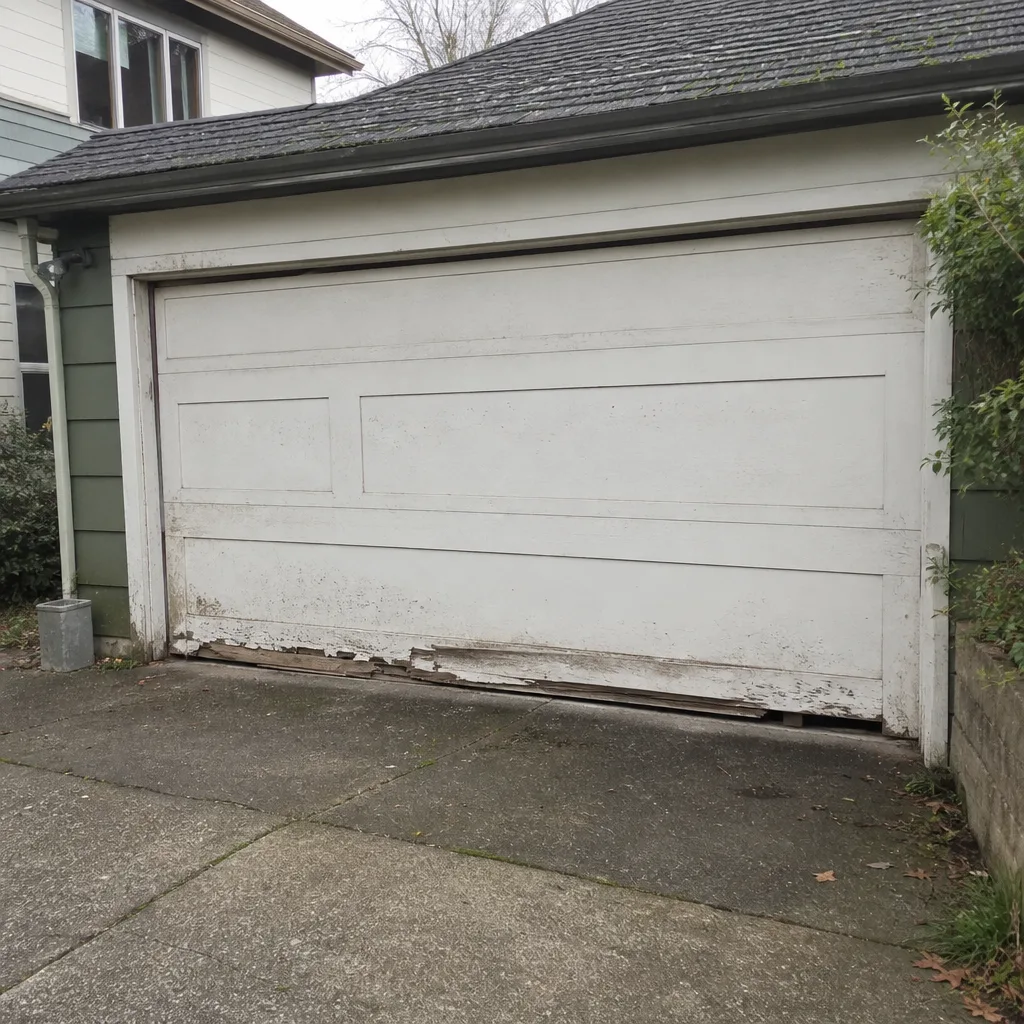 Before
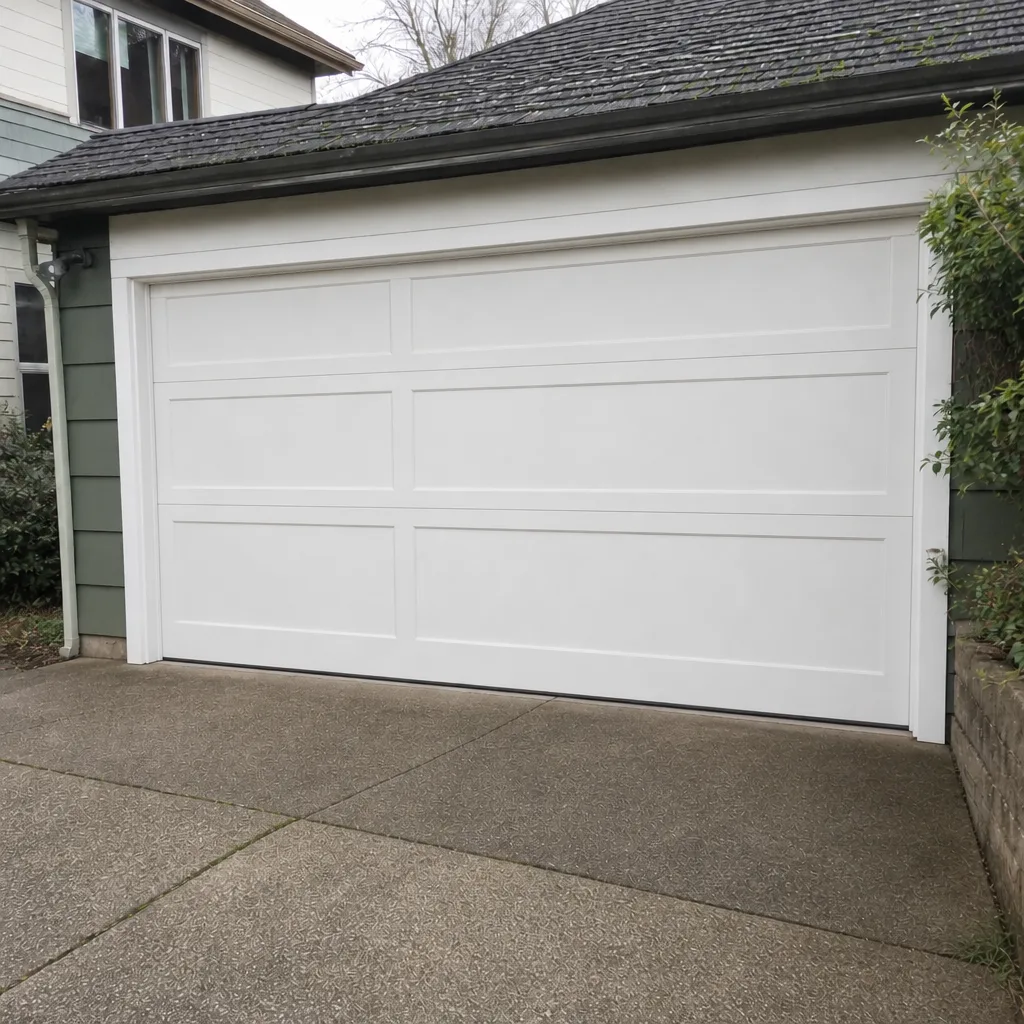 After
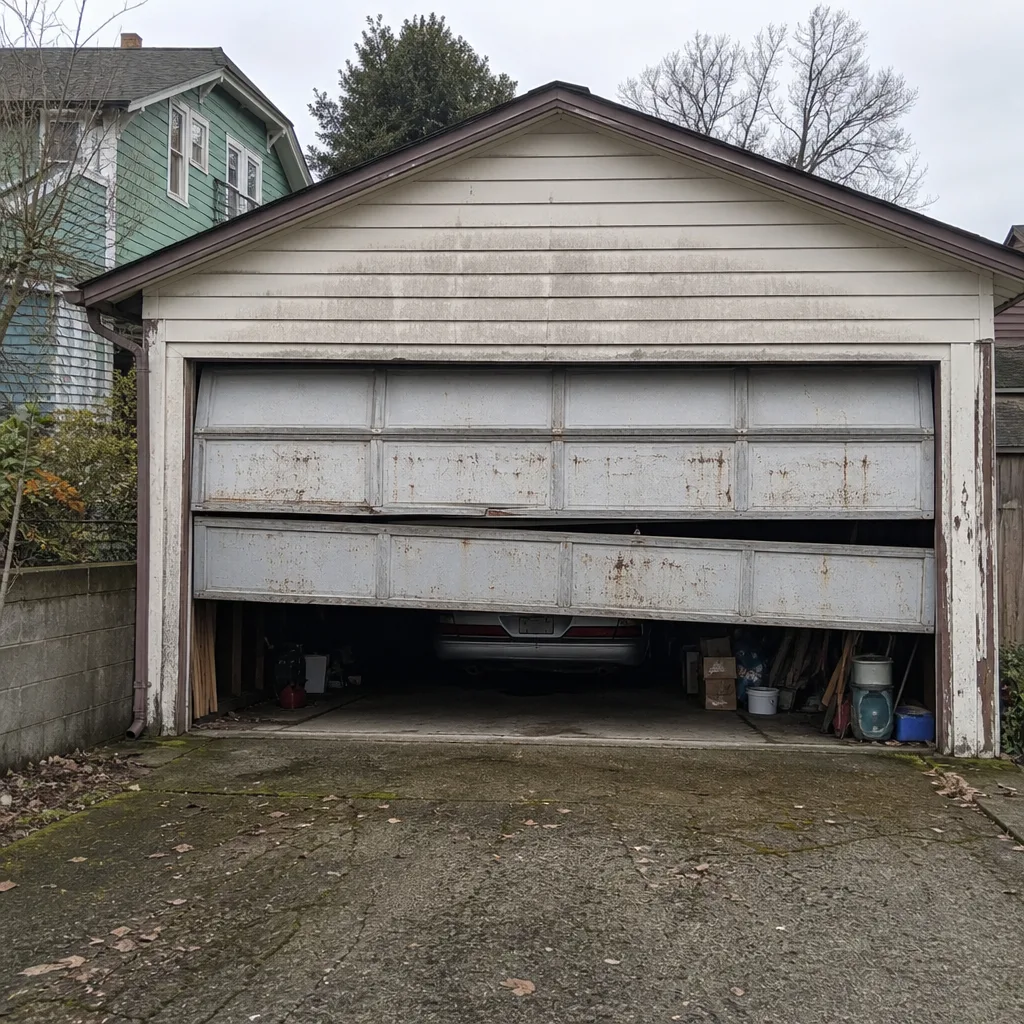 Before
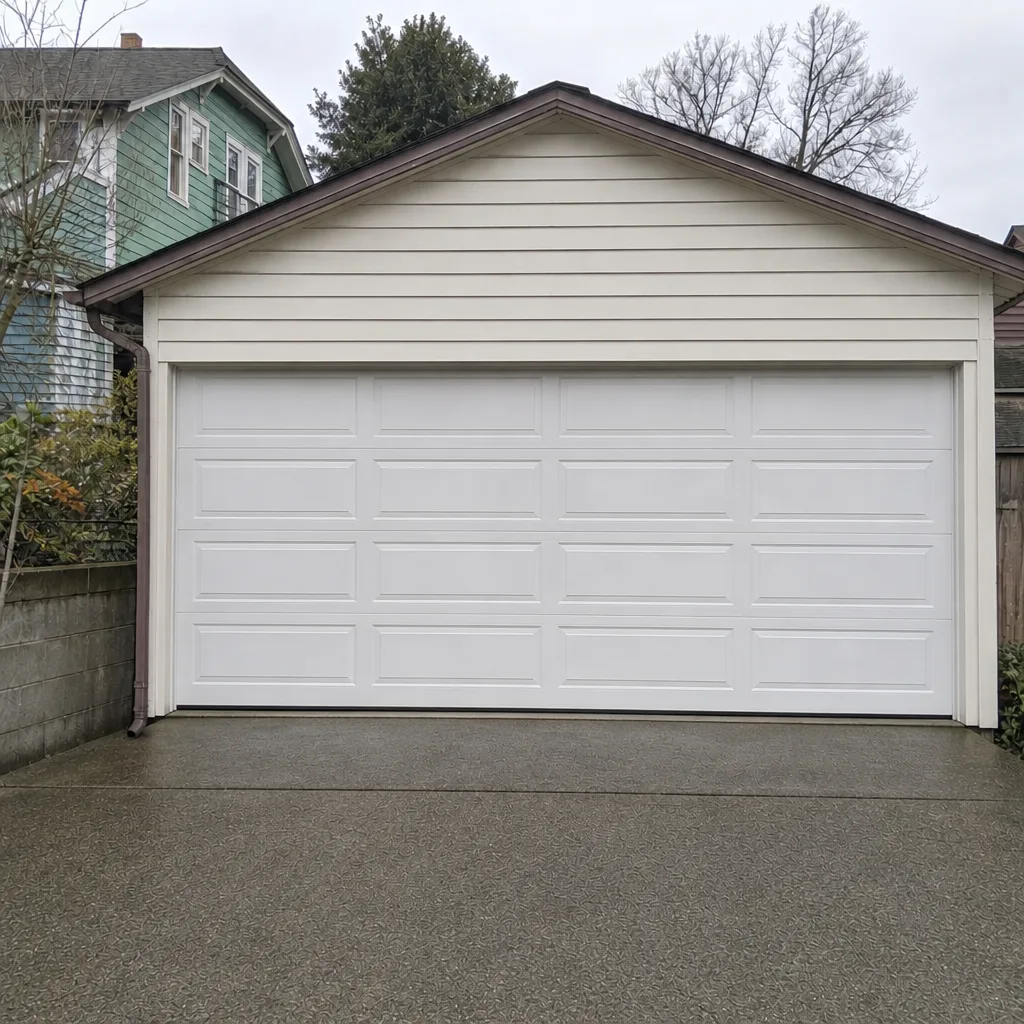 After
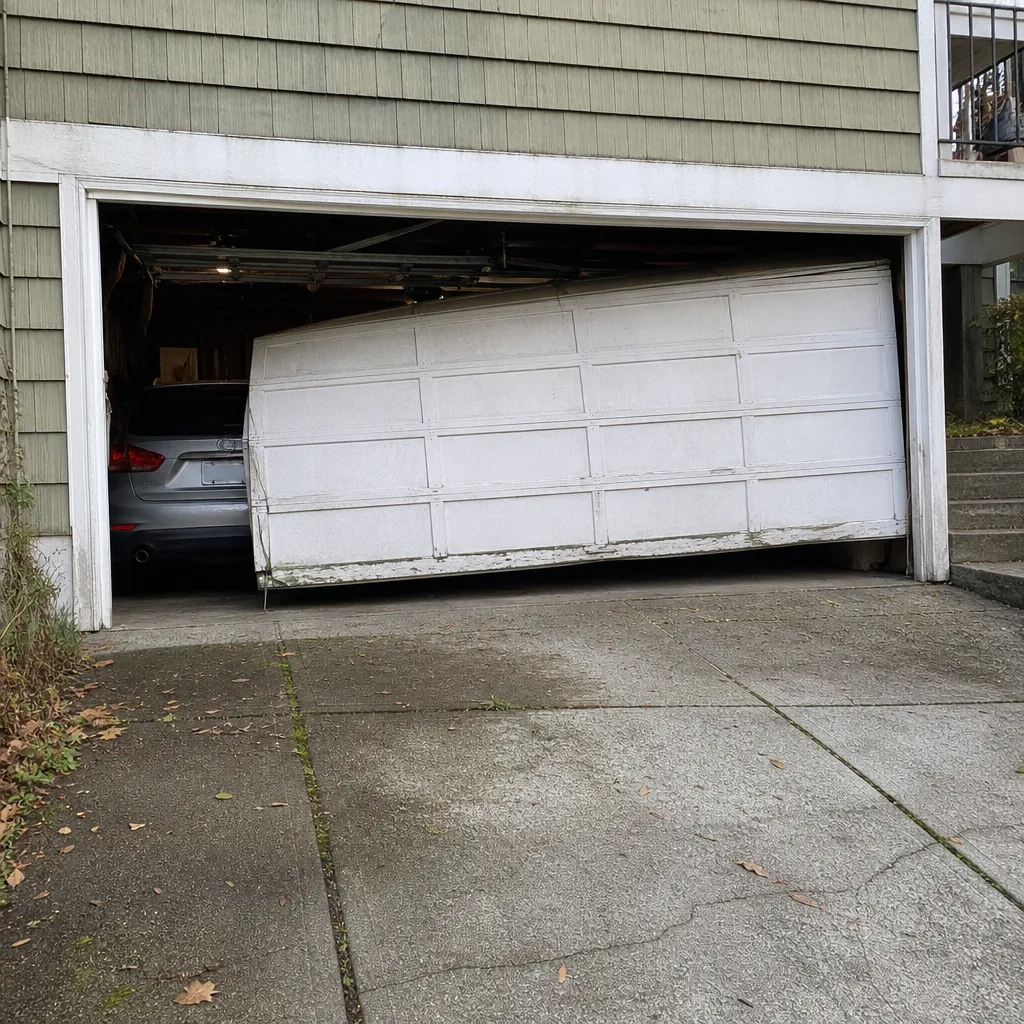 Before
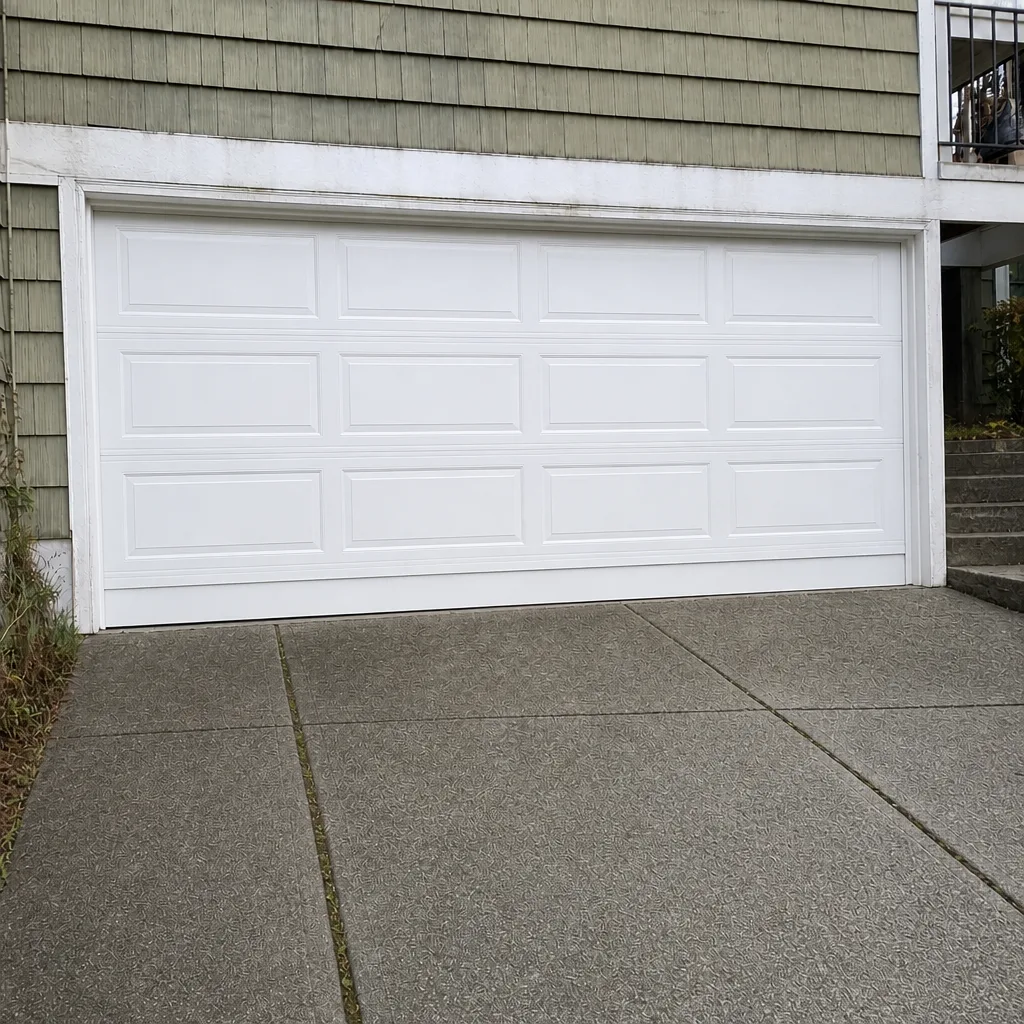 After
When to Call a Professional
Some situations are worth a call immediately. If a spring has visibly failed, if a cable is hanging loose, if the door is crooked or stuck open, if it drops on its own, or if it won’t reverse when it hits an object, that’s technician territory. The same goes for any garage where someone is blocked in and needs to get out. We know springs and cables look simple. They aren’t. The tension alone is enough to cause serious injury, and the diagnosis usually involves more than a visual check. Garage Door Repair Queen Anne offers free estimates in Queen Anne. Call (844) 670-3620 to talk it through. We answer 24/7. Fast dispatch from 7am to 7pm, Sunday through Friday. If you’re dealing with a stuck door and you need a technician, the starting point is Garage Door Repair Queen Anne.
Frequently Asked Questions
No. Don’t try to lower a door with a failed spring by hand. The door is no longer counterbalanced, so it can drop or shift while you’re under it. Leave it where it is, keep people and vehicles clear, and call a technician. If you need a fix today, call (844) 670-3620. We answer 24/7. We also suggest a brace or a vehicle across the opening if the door has to stay put overnight.
Typical garage door emergency repair in Queen Anne runs a wide range depending on what failed, from a routine opener adjustment at the lower end to a full spring replacement or track repair at the higher end. The price is set per job by a written estimate before any work starts, and the estimate is free. So the quote is agreed before a technician lifts a tool, and the invoice should match it. Call (844) 670-3620 for an exact quote.
Have the door brand, the opener brand and model, the door’s width and height, the current position of the door, and a short description of what happened. Mention whether anyone is blocked in and whether the garage opens to an alley. That information lets us bring the right parts on the first visit. Call (844) 670-3620 when you have it in hand.
Use the manual release. On LiftMaster, Chamberlain and Craftsman units the red release cord is usually on the trolley. On Genie units it may be a T-handle or a foot-release on the rail. On a jackshaft unit mounted on the wall, look for a bypass lever on the motor body. Pull or flip the release, then lift the door by hand. If it feels extremely heavy, stop and call. Call (844) 670-3620 to schedule a service visit or to get advice on the release for your specific opener.
A broken spring usually shows a visible gap in the coil, and the door becomes extremely heavy. A snapped cable shows as a loose, tangled or frayed steel cable near the drum or bottom bracket, and the door often hangs crooked. Both need a technician. Don’t try to force either back into place. Call (844) 670-3620 and describe what you see from a safe distance.
Often yes, for a repair or emergency call, and a technician can usually be scheduled the same day when you call in the morning. We answer 24/7, with fast dispatch from 7am to 7pm, Sunday through Friday. A call placed outside dispatch hours is booked into the next opening. Call (844) 670-3620 to check availability.
The Bottom Line
A garage door emergency in Queen Anne comes down to two questions: is the door safe to touch, and who do you call once the answer is no? A broken spring or snapped cable means the door is under tension and not to be moved by hand. A power outage means the manual release on the opener is the way out, and the release location depends on the opener brand. Have the door brand, the opener model and the symptom ready before you call. Keep the opening secured with a real brace, not a chair. If anything feels heavier than it should, stop. Call (844) 670-3620. We answer 24/7. Fast dispatch from 7am to 7pm, Sunday through Friday.
Written by the team at Garage Door Repair Queen Anne.